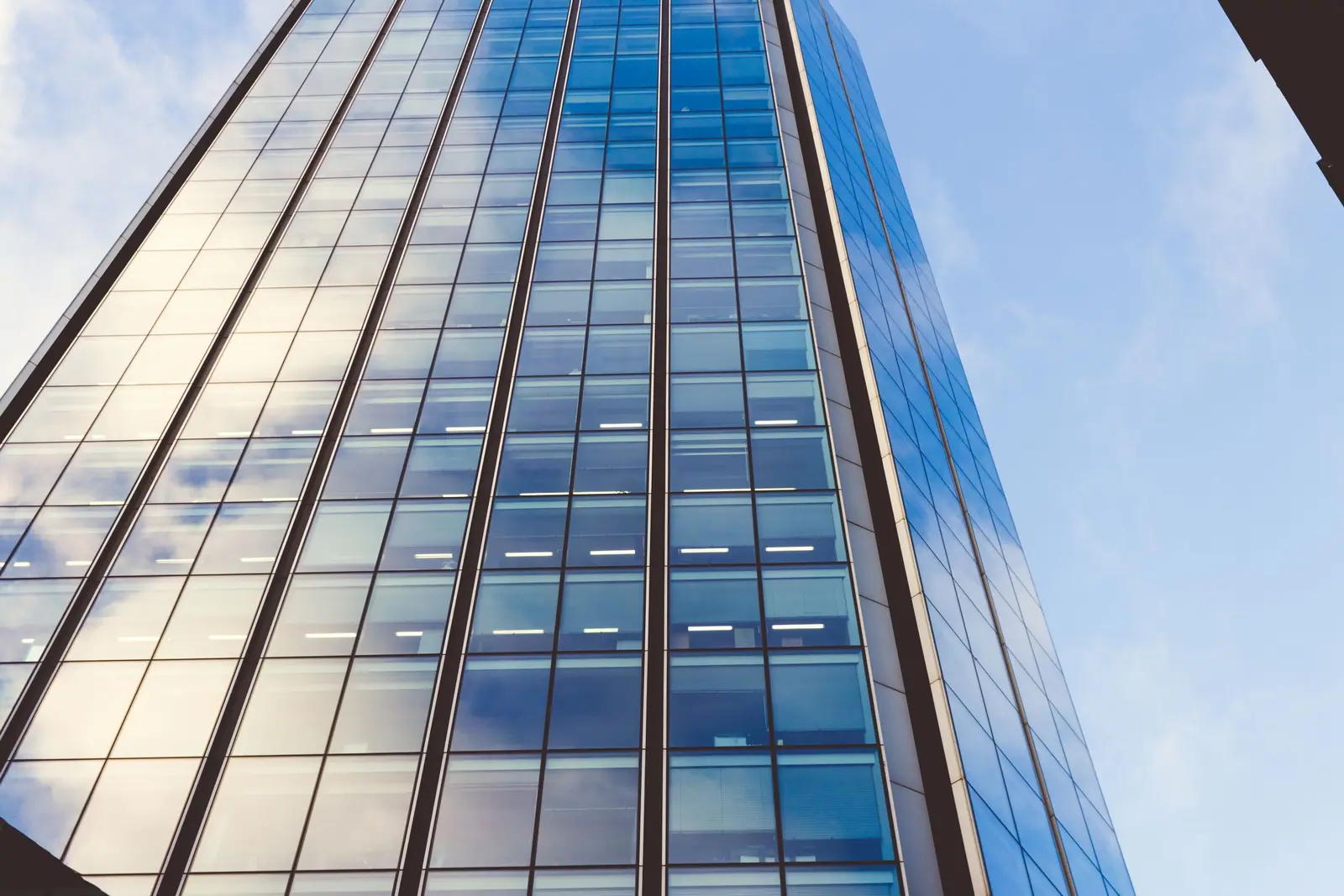
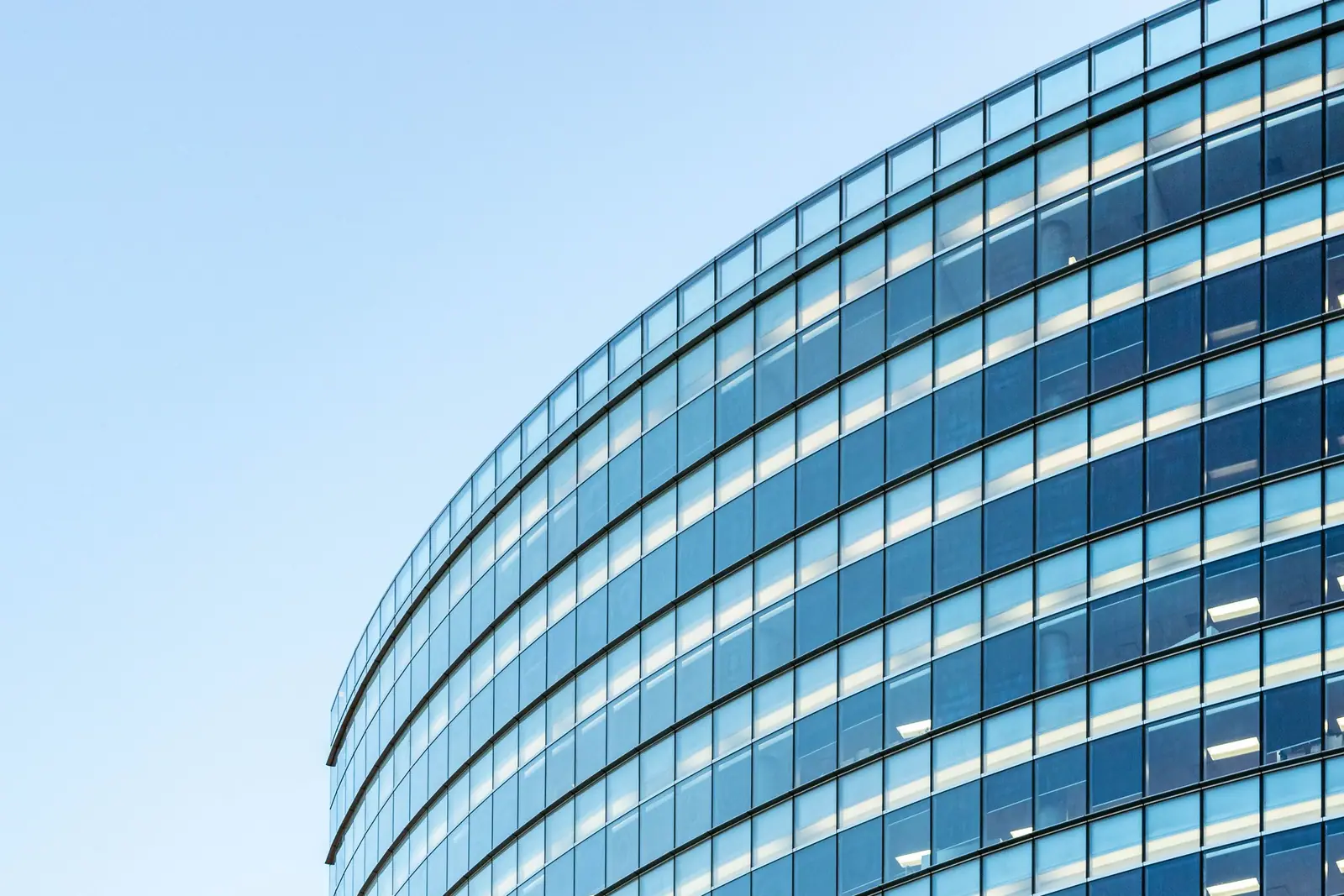
Commercial Buildings and Offices
Offices and business premises with many occupants, dense electrical loads and visitors unfamiliar with the layout.
Service
हरित अग्नि सुरक्षा
A considered approach to fire protection that weighs environmental impact alongside people's safety, hazard suitability and standards.

The 'Green' in our name reflects a commitment to consider the environment when selecting fire protection methods and materials. Fire safety remains the first priority: any solution must protect people and property effectively.
Some conventional extinguishing agents, such as Halon-1211, are associated with damage to the ozone layer, and greener alternatives are preferred where they put out fires effectively without harming nature.
हिन्दी में जानकारी
मानव सुरक्षा, खतरे के अनुकूल होने और मानकों के साथ-साथ पर्यावरण पर प्रभाव का भी ध्यान रखते हुए उपयुक्त अग्नि सुरक्षा विकल्पों का चयन।
An option that is gentler on the environment but ineffective for the hazard is not acceptable.
We treat 'green' as something to verify. We do not accept claims such as 'zero impact' or '100% eco-friendly' at face value.
Agents must be safe for the people who may be present when they are used.
Ozone concerns are associated with Halon-1211. That does not mean every conventional extinguisher is harmful.
What could burn, and where.
Identify technologies that suit the hazard and occupants.
Compare the environmental considerations of each shortlisted option.
Confirm the option meets applicable requirements.
Present a recommendation with its reasoning.
Read this carefully
Halon-1211 (bromochlorodifluoromethane) is known as an ozone-depleting agent. Its production and use are restricted internationally, and current Indian rules should be verified for any decision.
We make no claim that any product is free of environmental impact.
Offices and business premises with many occupants, dense electrical loads and visitors unfamiliar with the layout.
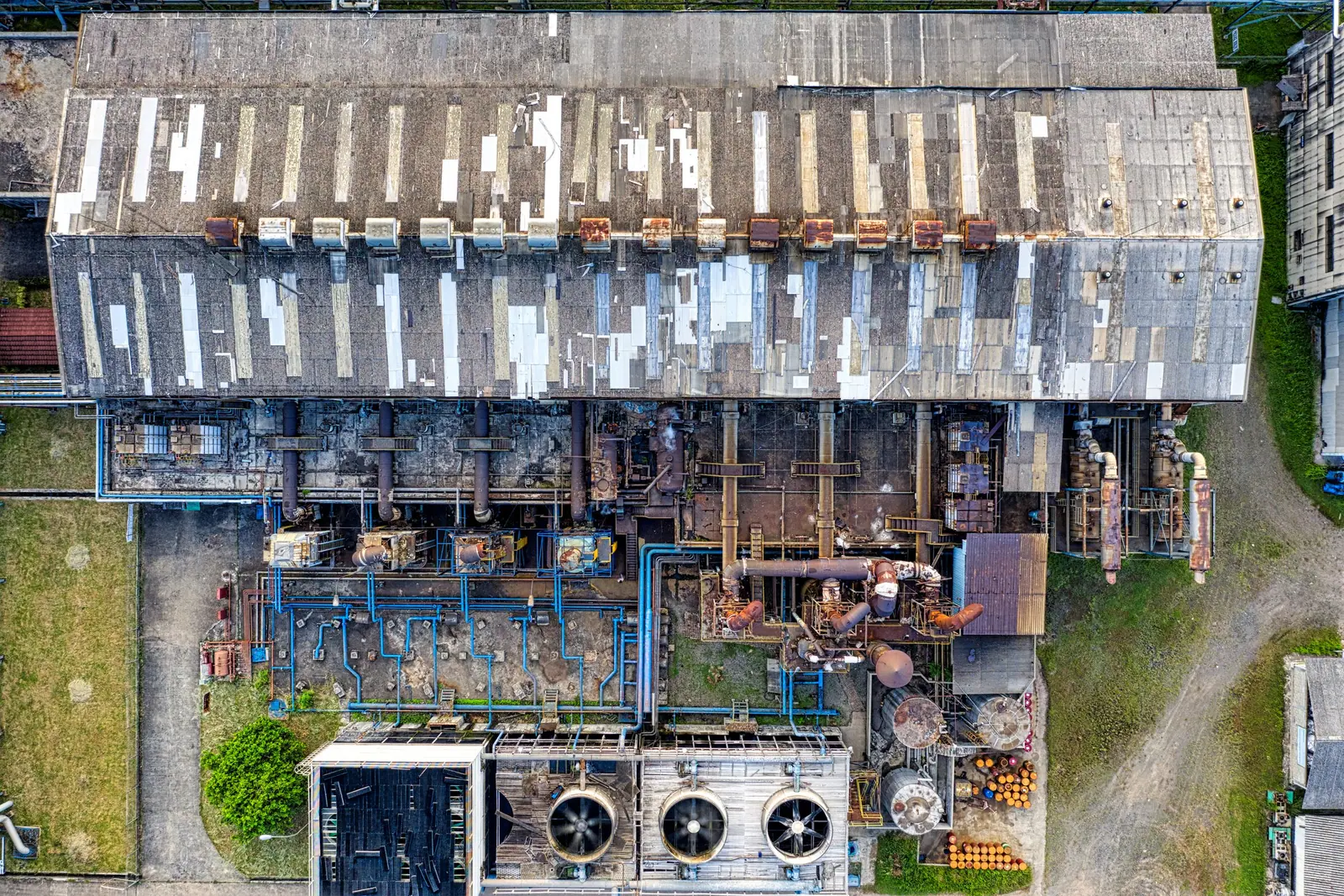
Factories and process facilities where materials, machinery and heat sources create varied fire hazards.
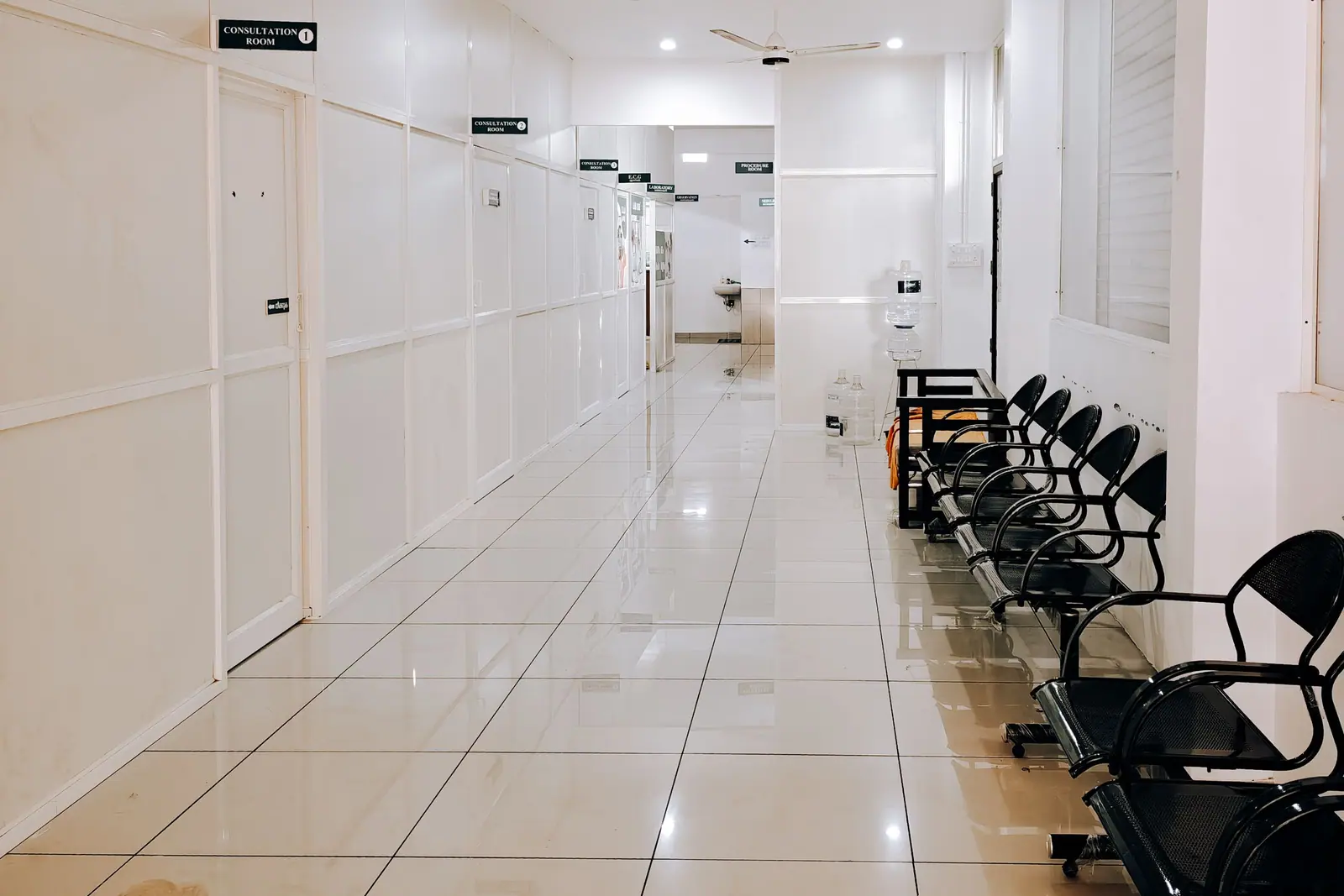
Hospitals and care buildings where patients may be unable to leave quickly and continuity of care matters.
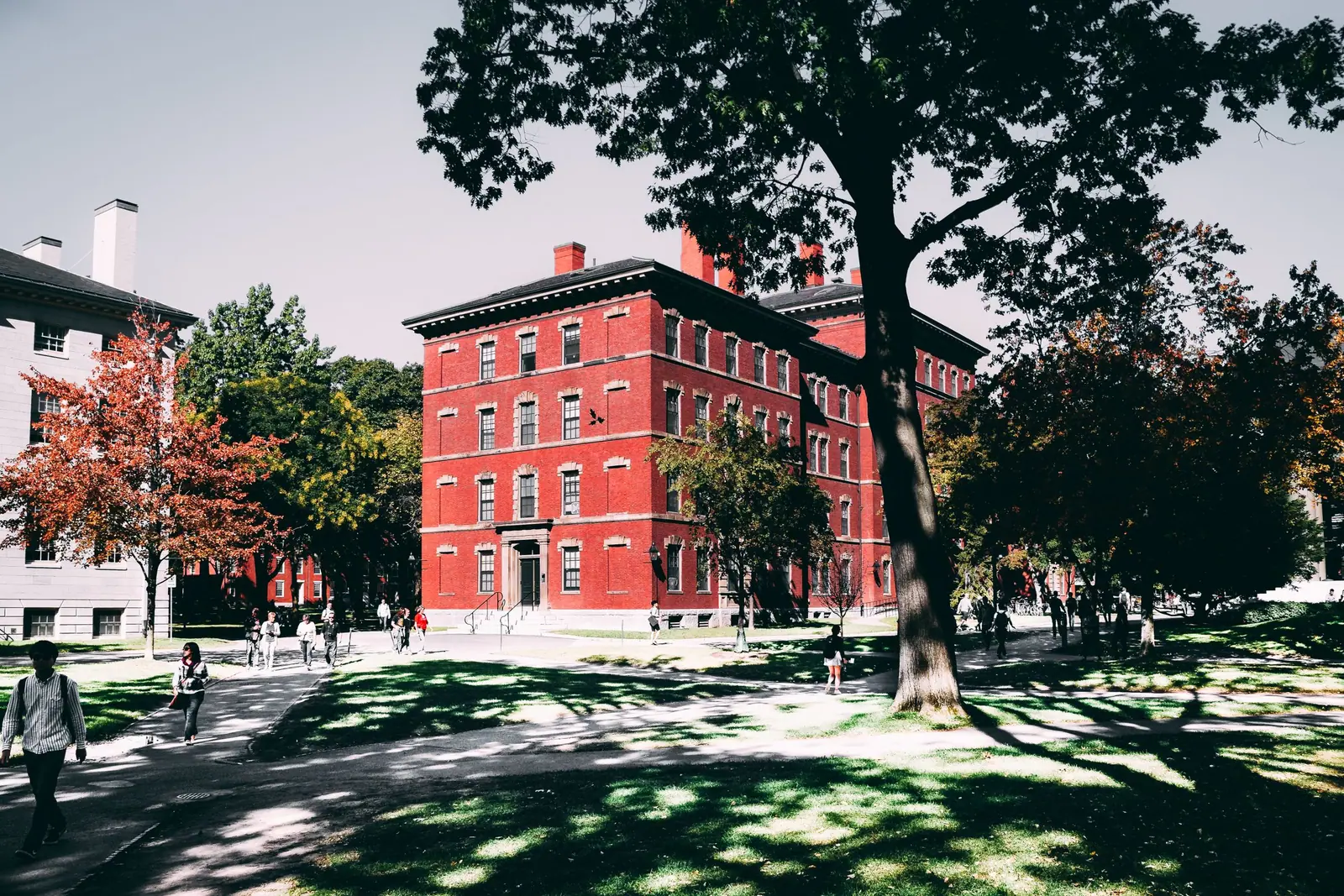
Schools and colleges where many young people gather and evacuation must be calm and well rehearsed.
FAQ
Green Fire Protection: common questions
Requirements differ from building to building and must be assessed against the regulations that apply.
That environmental impact is considered when selecting fire protection methods and materials, alongside safety and suitability.
Not automatically. The right choice depends on the hazard, occupants and standards, and claims should be verified.
No. The ozone concern relates to certain agents such as Halon-1211, not to extinguishers in general.
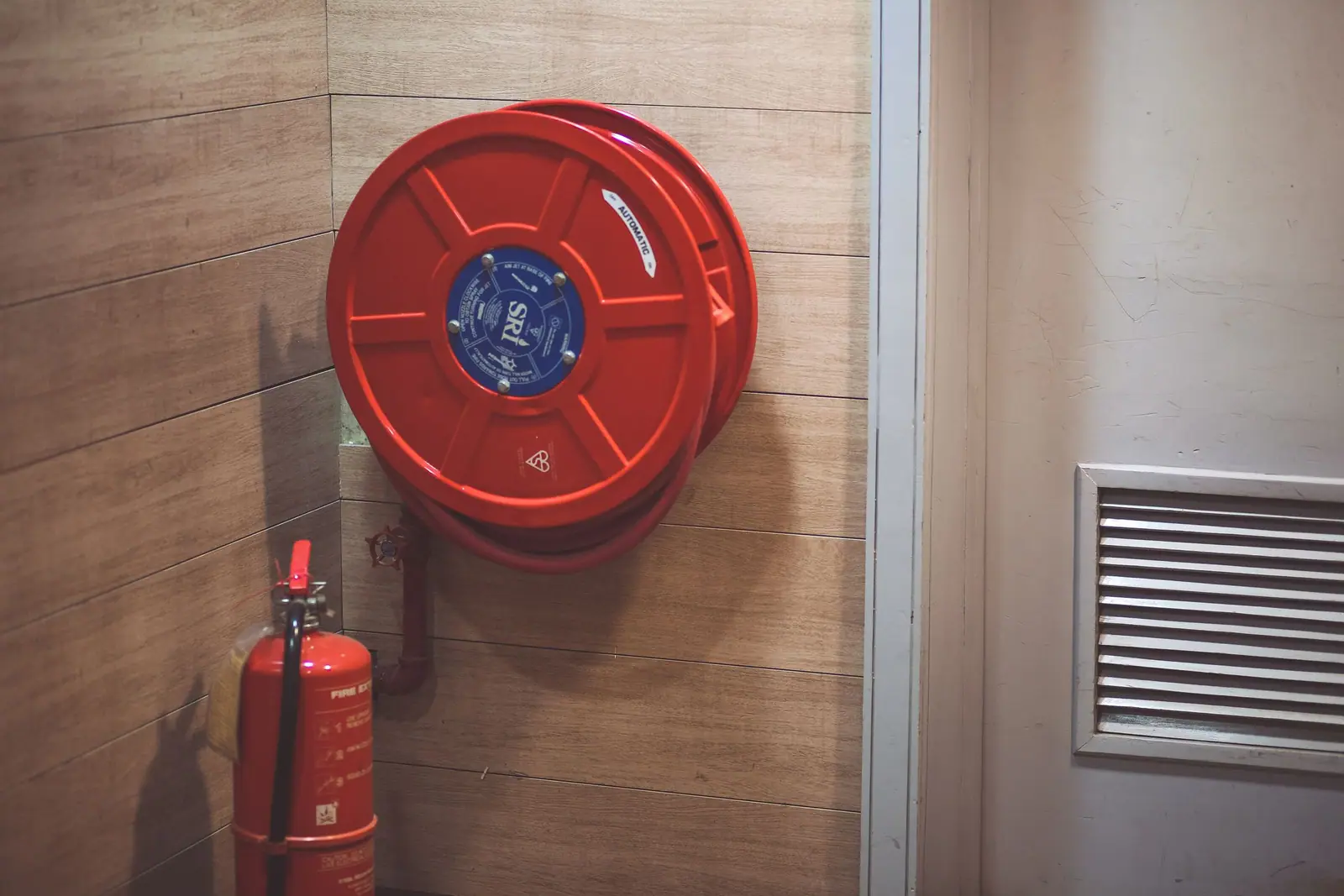
First-aid extinguishers and fire water infrastructure, from hose reels and risers to tanks and pumps, matched to the hazards present.
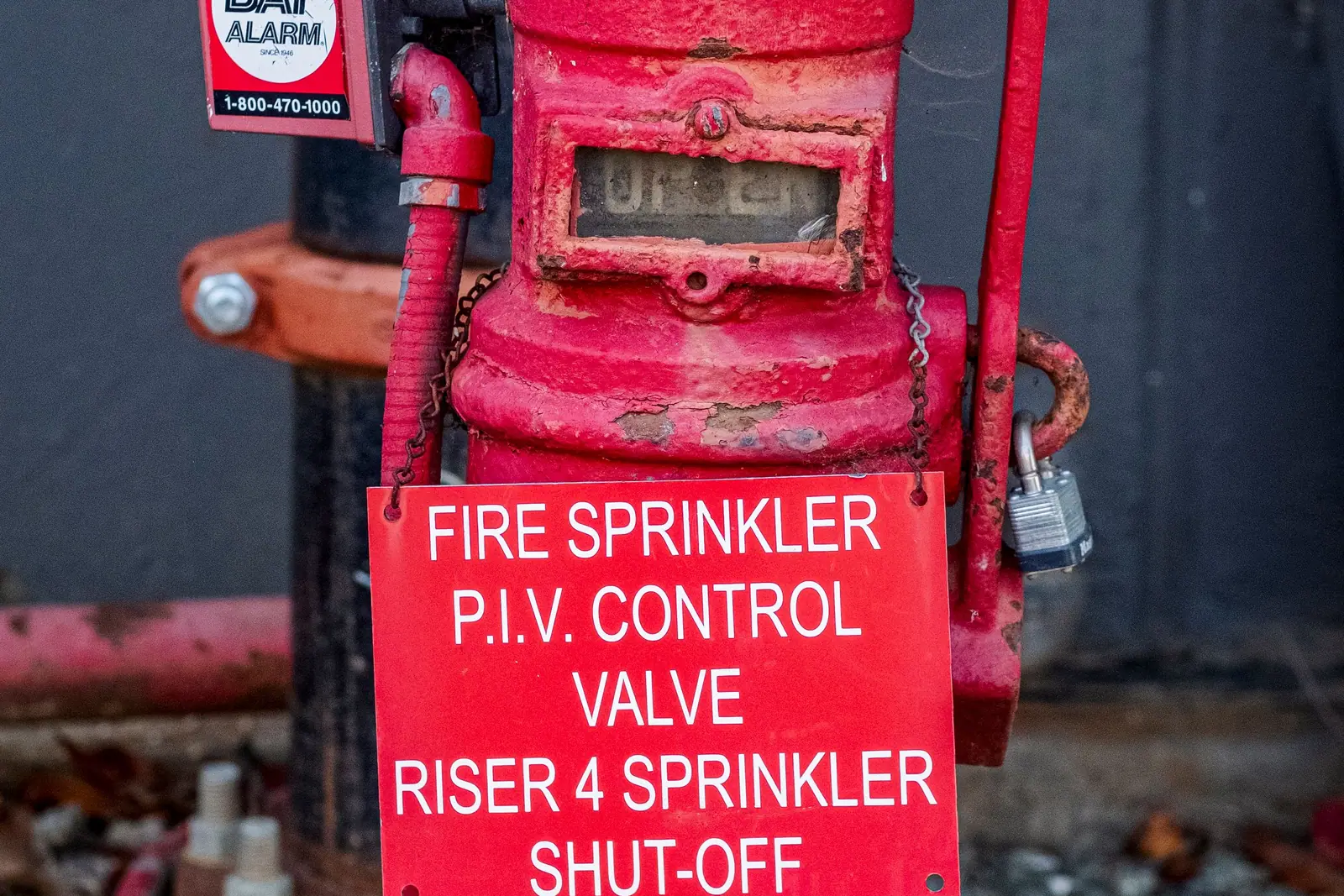
Alarms, detectors, sprinklers, hydrants and fire pumps selected for how your building is actually used, then installed by trained engineers.
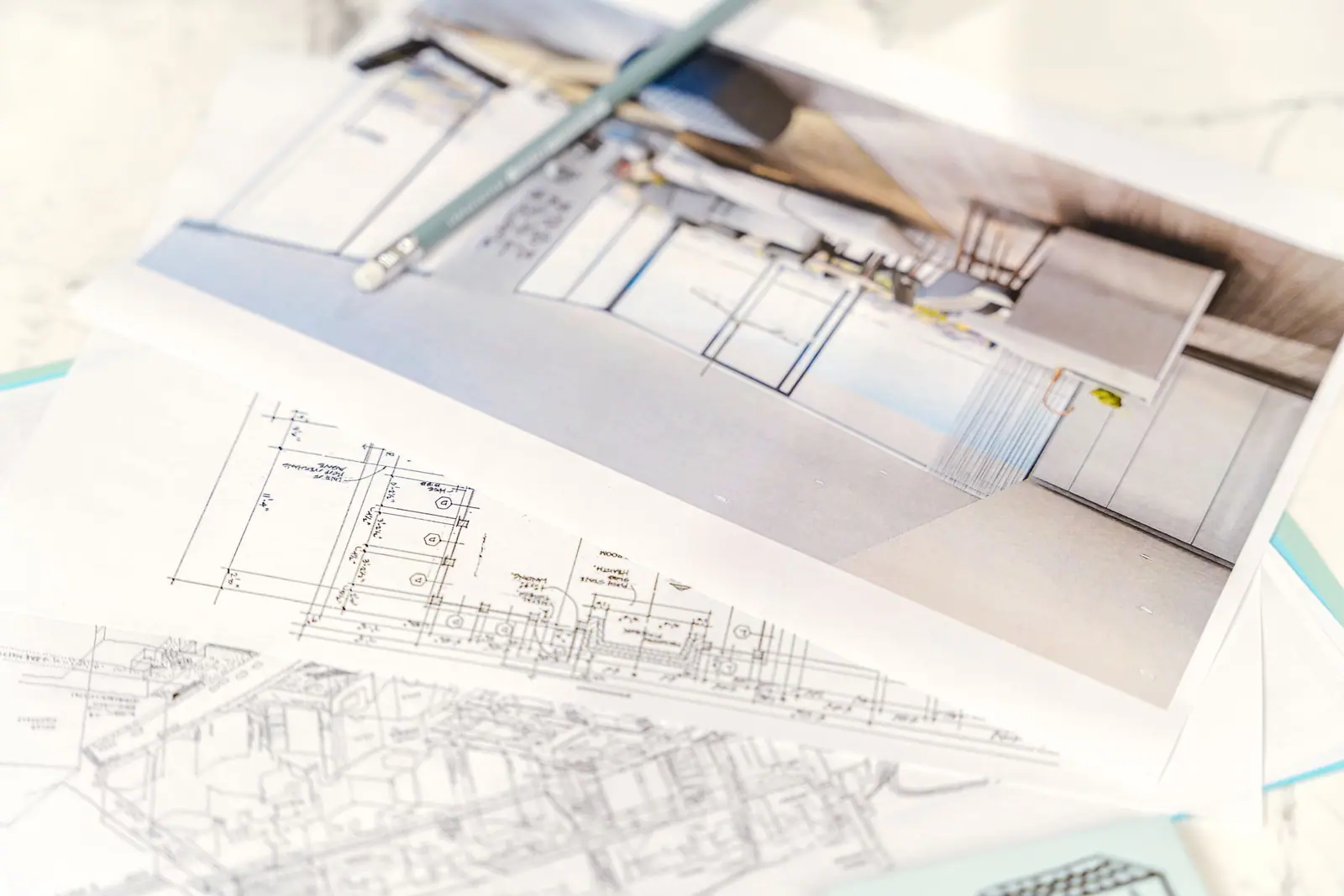
Fire safety built into the plan: occupancy, structure, exits, corridors and escape routes considered before the building is constructed.
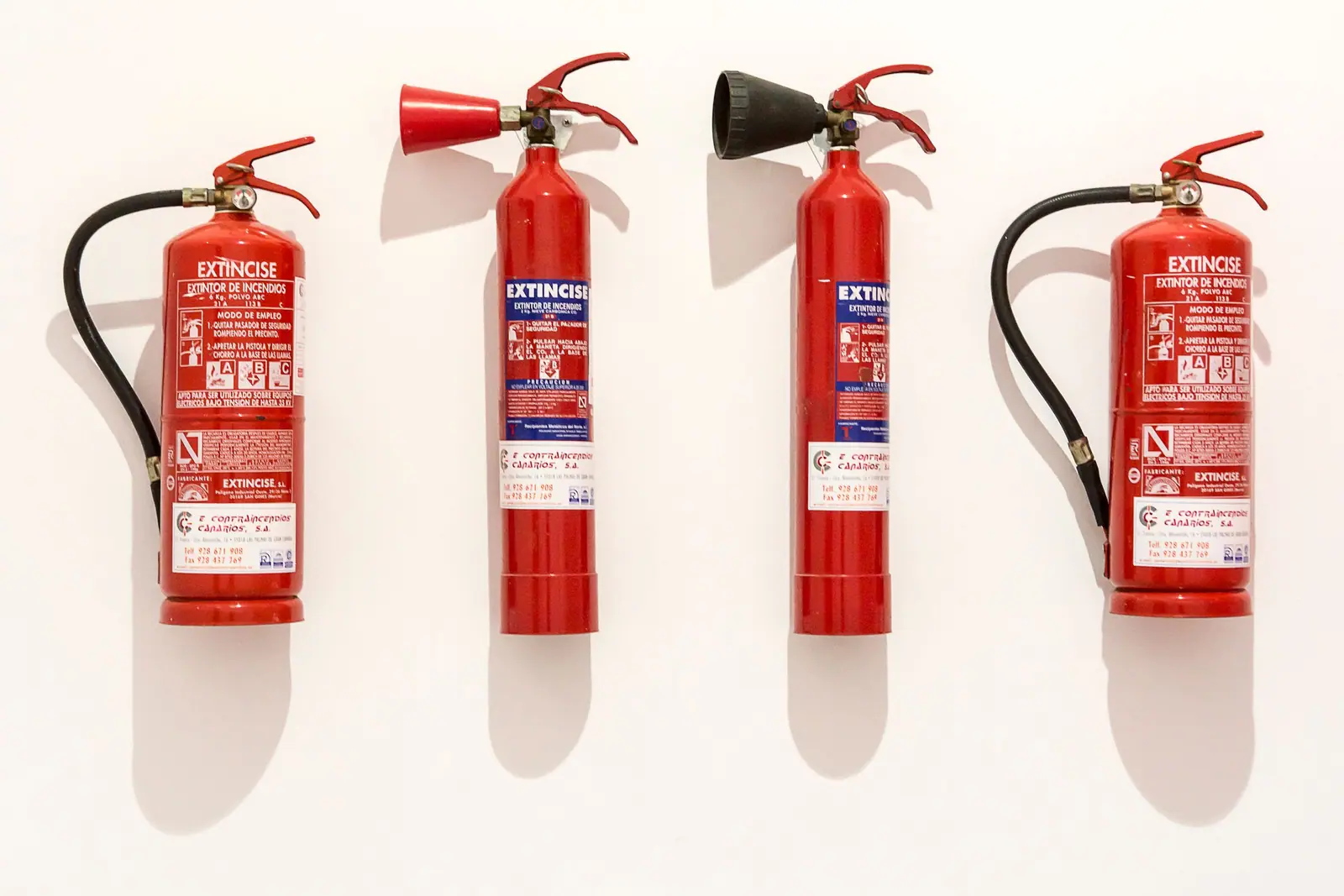
The essentials of first-aid fire extinguishers and the environmental angle on older agents.
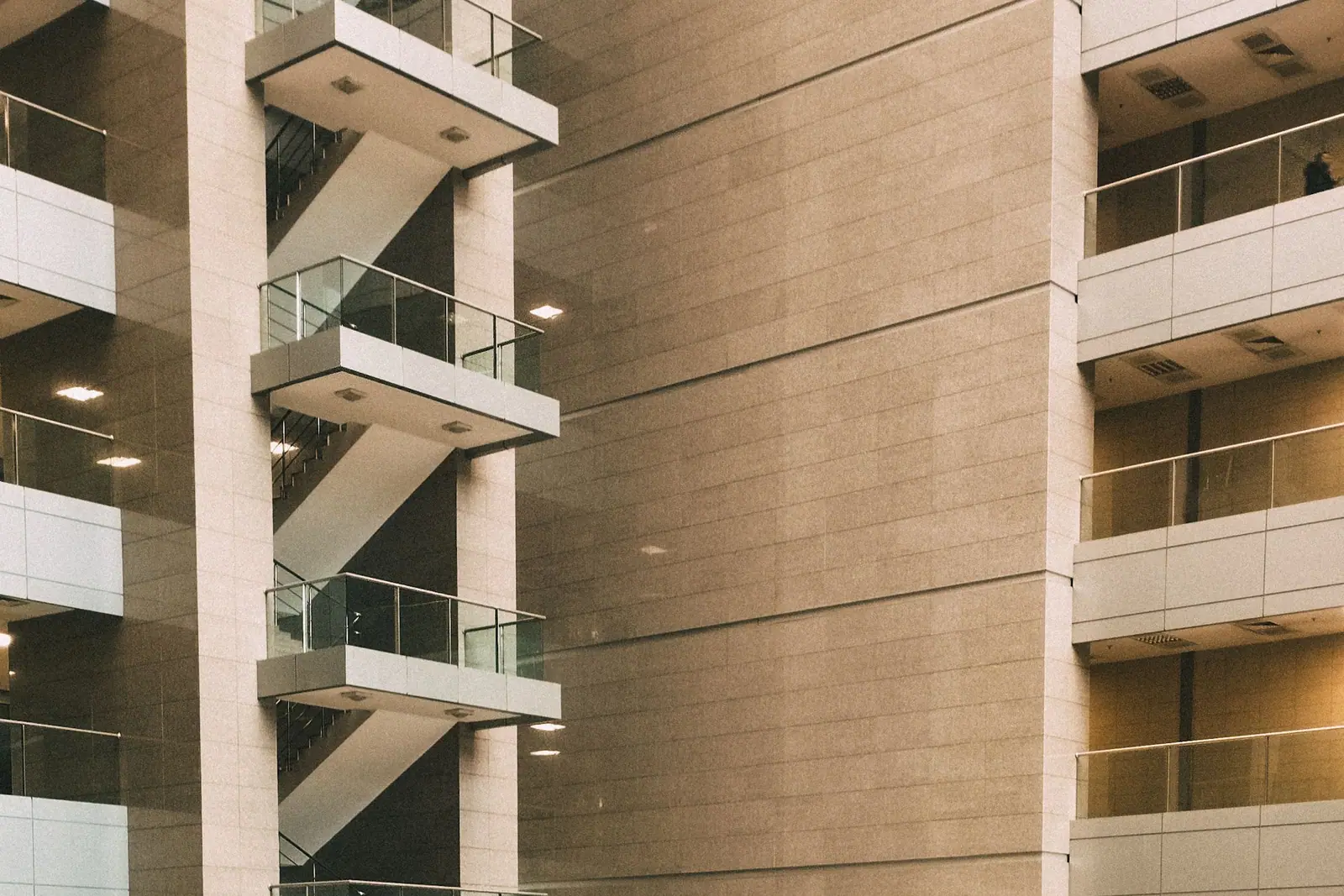
Why fire safety is more than equipment: prevention, warning, escape and smoke control form a chain that protects occupants.
आइए, आपके भवन को सुरक्षित बनाएँ।
Tell us about your building, its use and what you need. We will respond with sensible next steps.