What an extinguisher is for
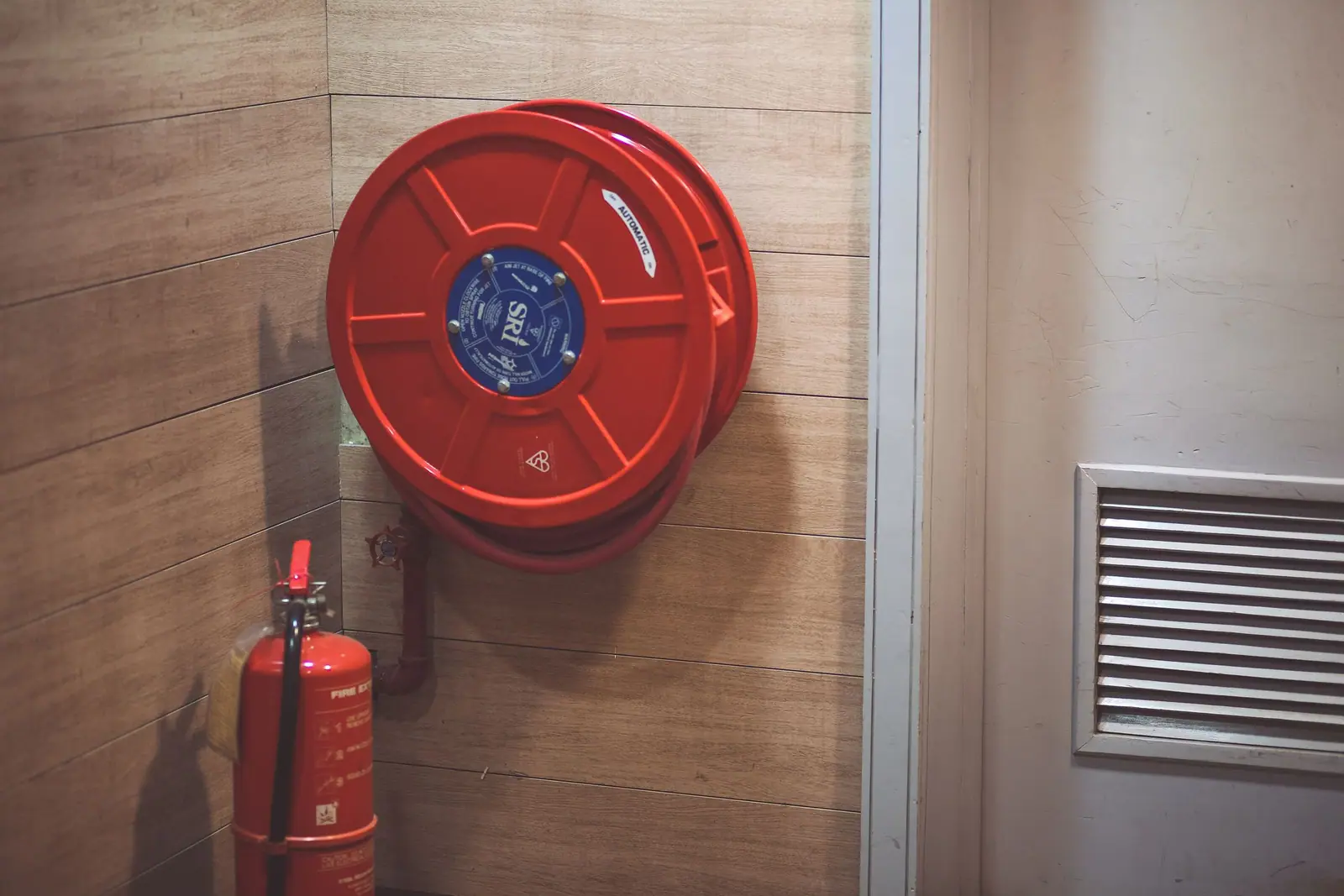
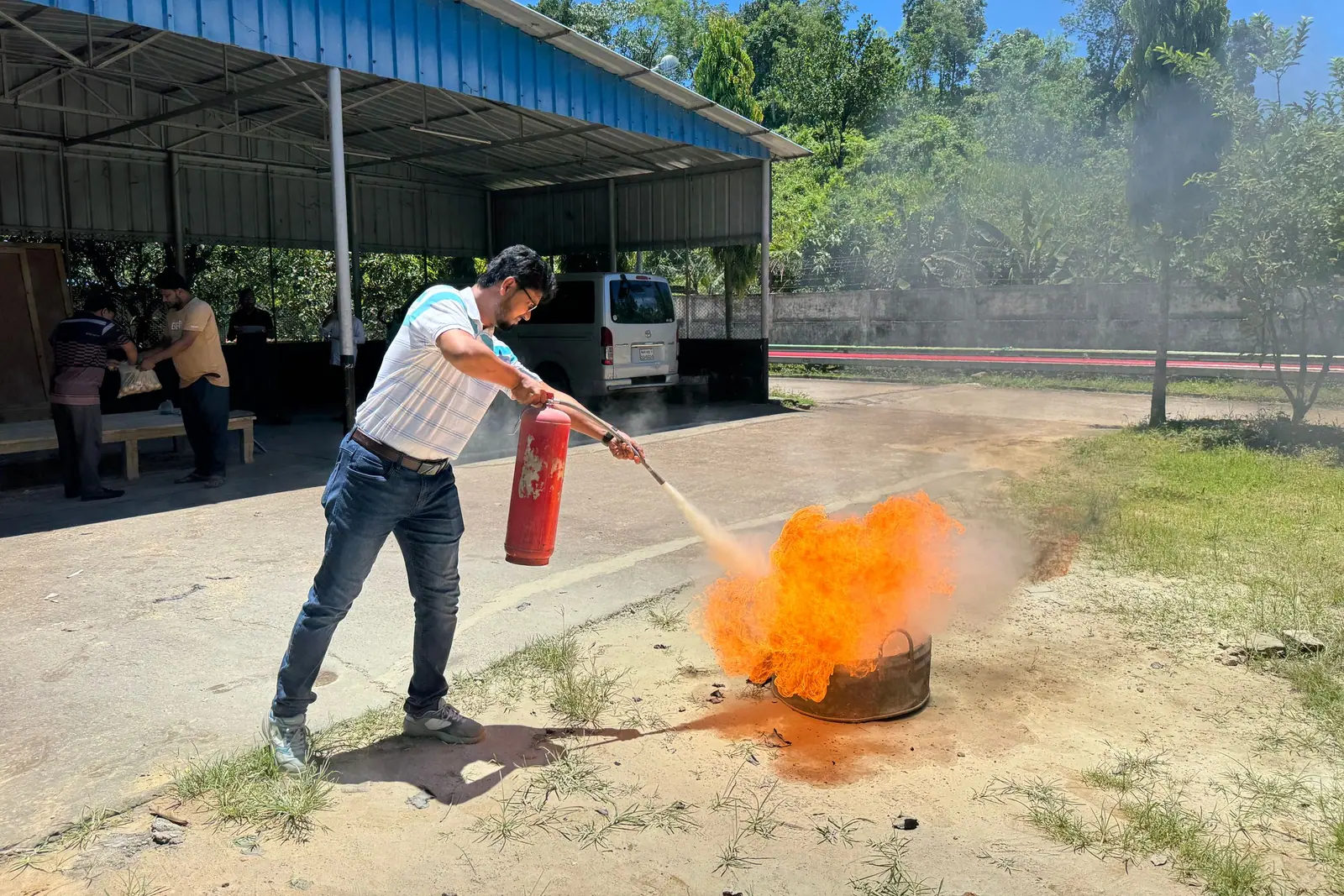
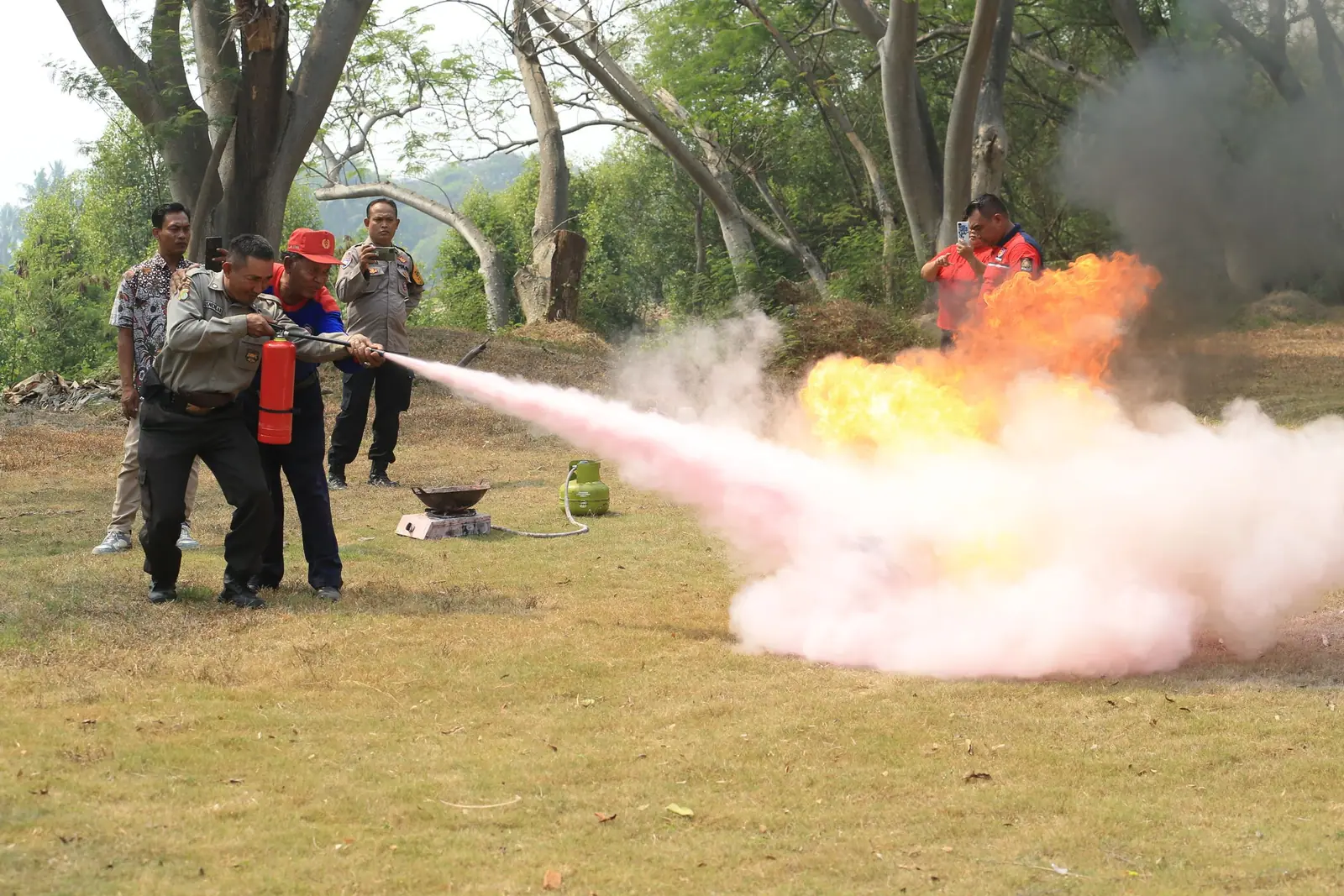
A portable extinguisher is first-aid firefighting equipment, intended for a small fire in its early stage. It is not a substitute for evacuation, the alarm or the fire brigade.
Type matters
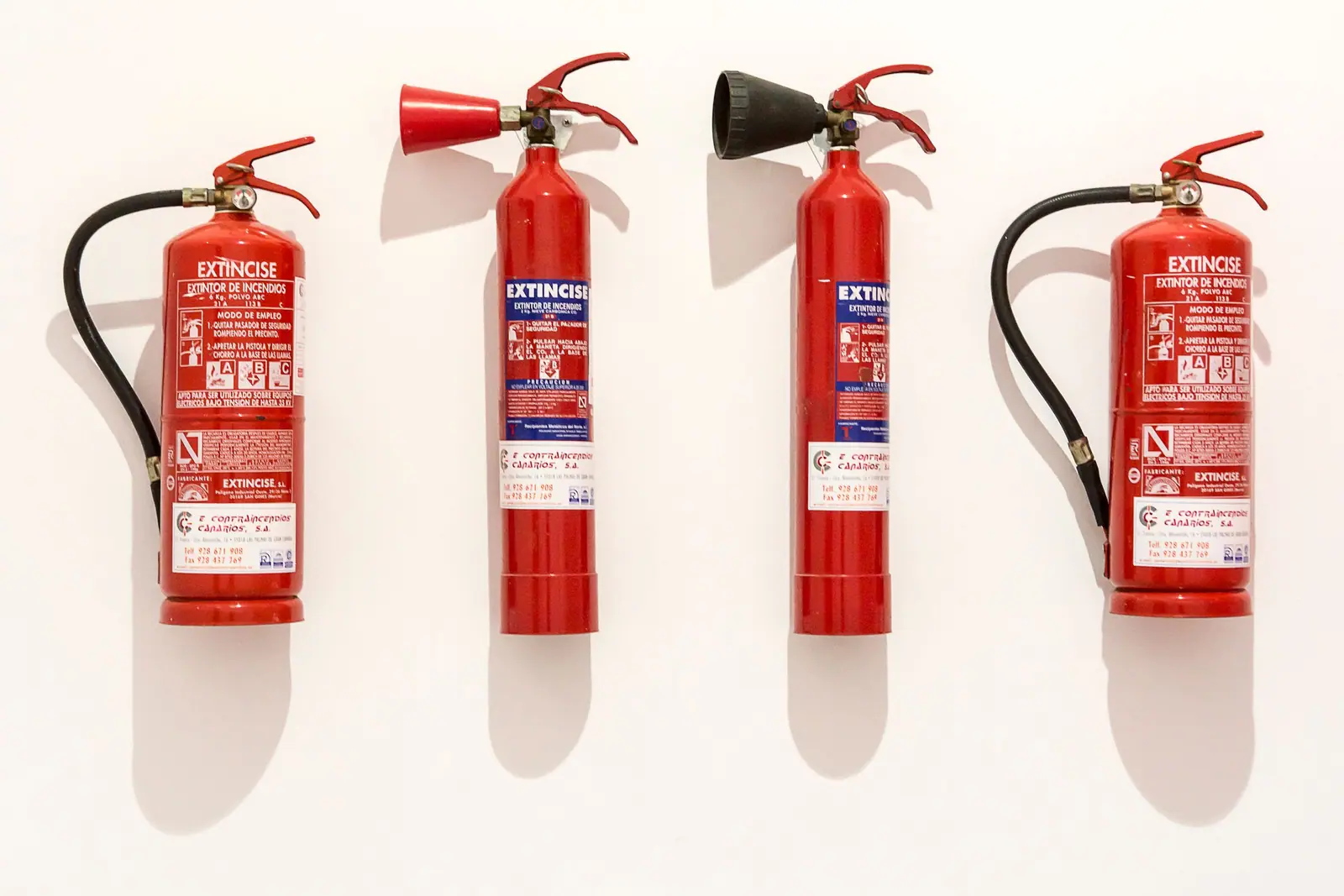
Fires differ: ordinary combustibles, flammable liquids, gases, metals and live electrical equipment need different approaches. Using the wrong extinguisher can be ineffective or make things worse, so the right types are chosen by hazard.
IS 2190, the Indian Standard for first-aid extinguishers, is commonly referred to as the basis for selecting types and placing them according to risk and reach. Check the current edition before specifying.
Placement and upkeep
Extinguishers should be easy to see and reach, clearly signed and regularly inspected and serviced. A discharged, expired or obstructed extinguisher offers no protection.
When not to use one
If a fire is growing, filling the area with smoke or blocking your exit, leave, raise the alarm and call emergency services. Only people who are trained should attempt to use an extinguisher, and only when it is safe.
Environmental considerations
Some older agents, such as Halon-1211 (bromochlorodifluoromethane), are associated with damage to the ozone layer, and greener alternatives exist. That does not mean every extinguisher is harmful, and 'green' labels should be verified rather than assumed.
Educational information only
This article is an original general summary. It is not legal, regulatory or engineering advice, and it does not reproduce standards. Requirements vary by building and change over time; confirm them with the competent authority and a qualified professional.