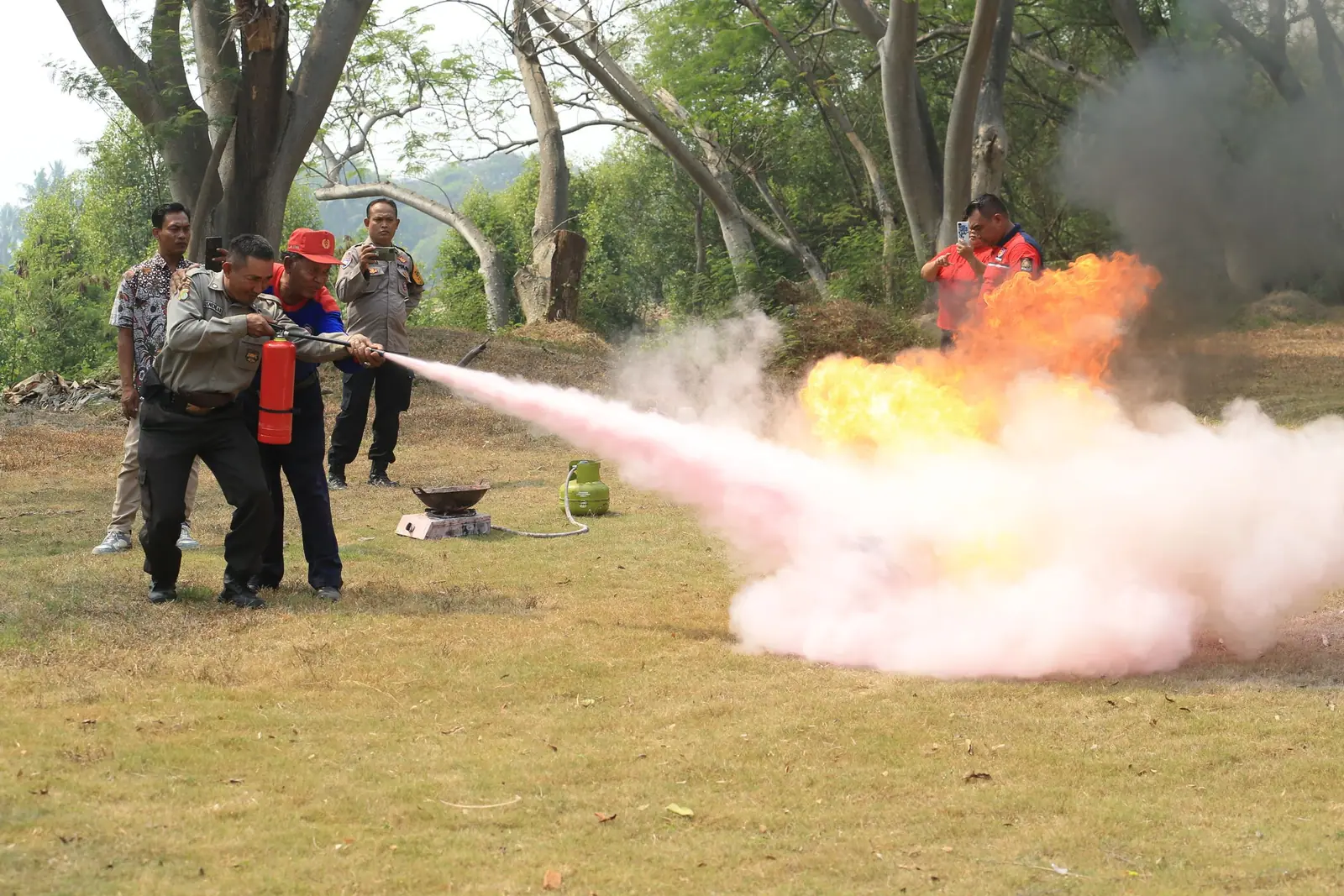
Why people need practice
Under stress, people fall back on habit. If they have rehearsed the route, the alarm and the assembly point, they are far more likely to act quickly and calmly. Training teaches officials and employees both how to avoid fires and how to respond to one.
What a session covers
A well-planned session typically includes:
- Fire prevention awareness and housekeeping.
- Emergency response procedures and how to raise the alarm.
- Evacuation planning and assembly points.
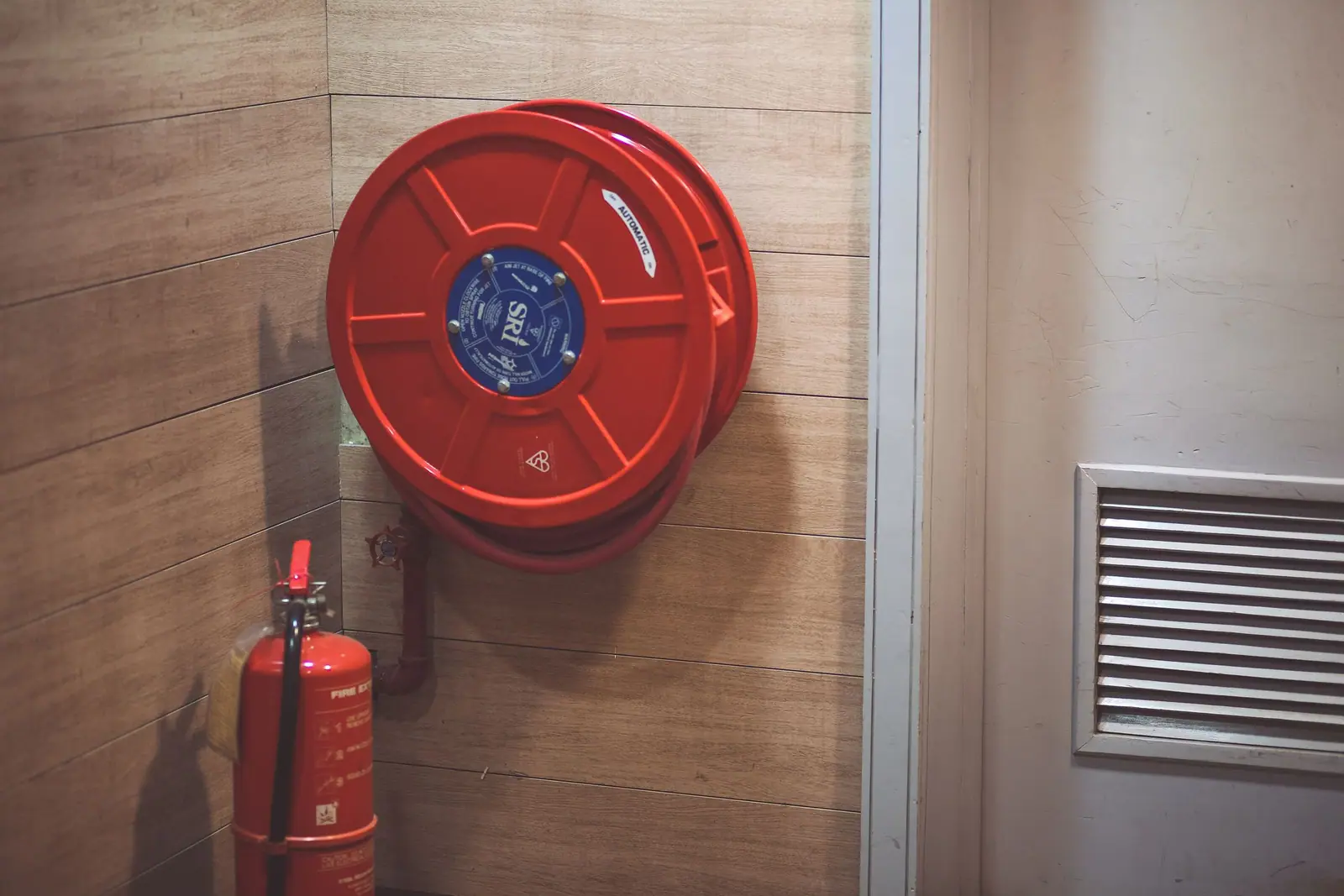
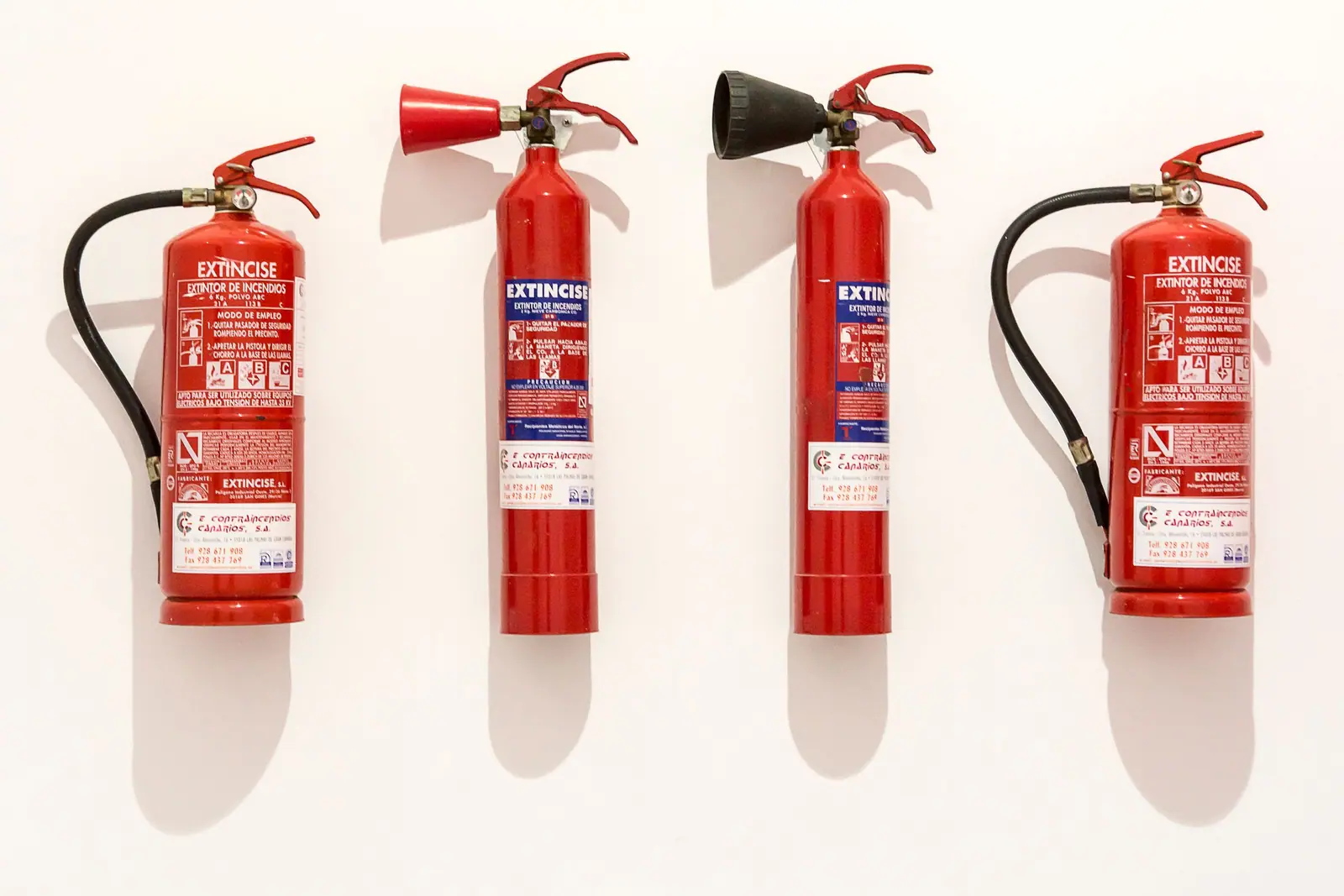
- Familiarisation with the building's installed fire equipment.
- Staff roles and responsibilities.
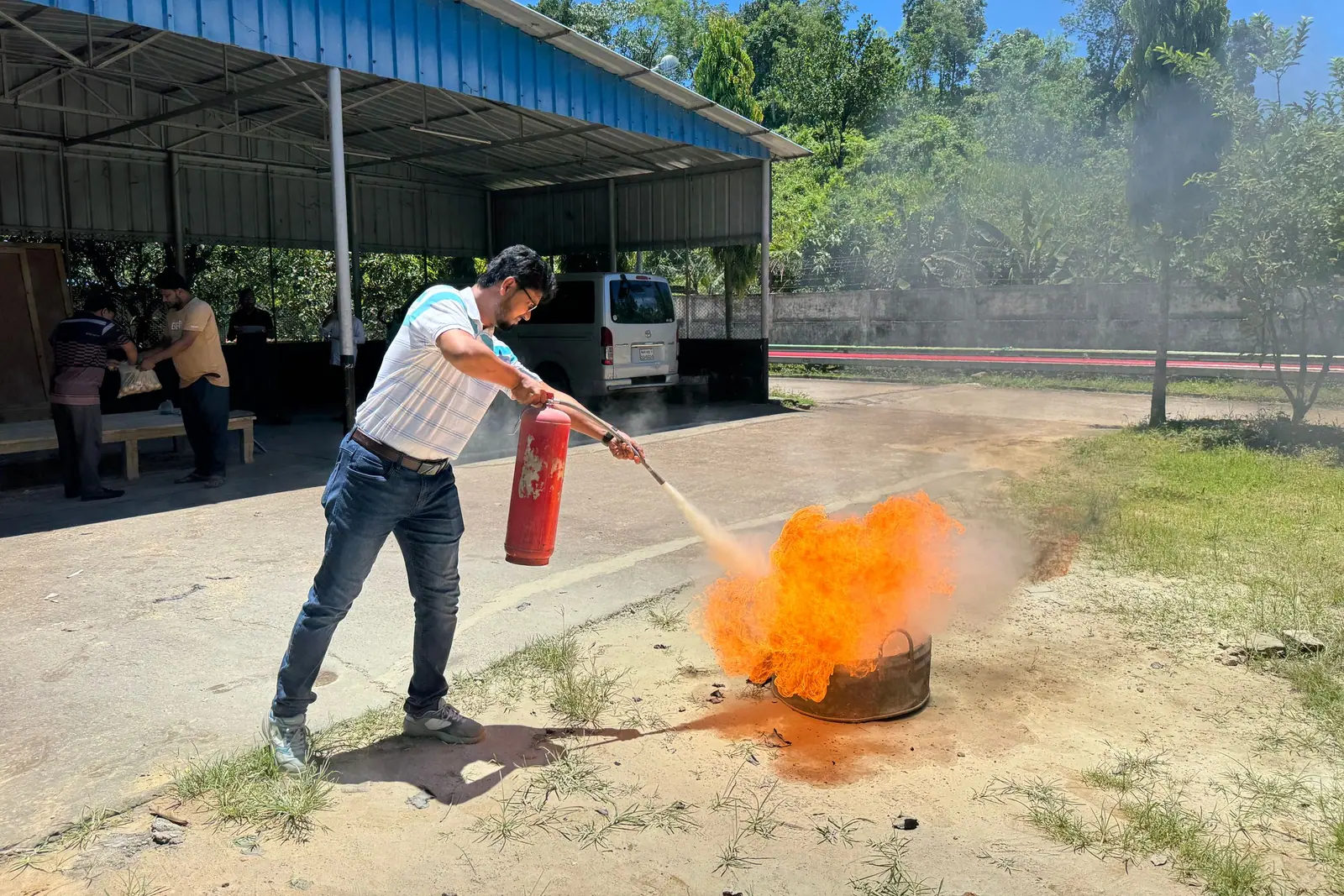
- A mock drill with practical elements.
Evacuate first
The first priority is to get people out and call emergency services. Using an extinguisher is only for small fires, when it is safe and by trained people. Nobody should be expected to fight a dangerous fire.
Learning from drills
After each drill, discuss what happened. Blocked doors, unclear signs and slow roll-calls are common findings, and fixing them is the real value of the exercise.
Educational information only
This article is an original general summary. It is not legal, regulatory or engineering advice, and it does not reproduce standards. Requirements vary by building and change over time; confirm them with the competent authority and a qualified professional.