
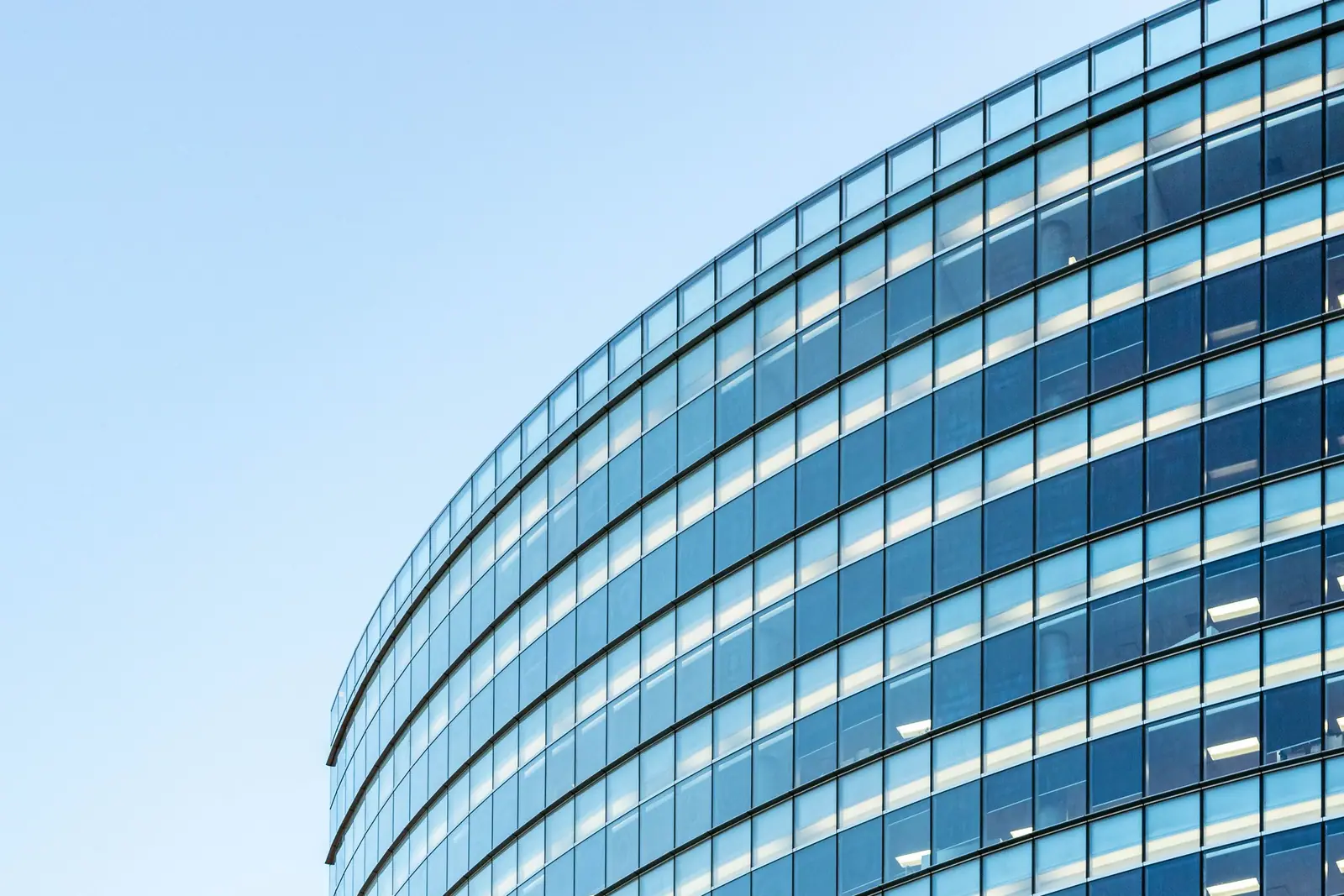
Commercial Buildings and Offices
Offices and business premises with many occupants, dense electrical loads and visitors unfamiliar with the layout.
Service
अग्नि सुरक्षा प्रणाली का डिज़ाइन और इंस्टॉलेशन
Alarms, detectors, sprinklers, hydrants and fire pumps selected for how your building is actually used, then installed by trained engineers.
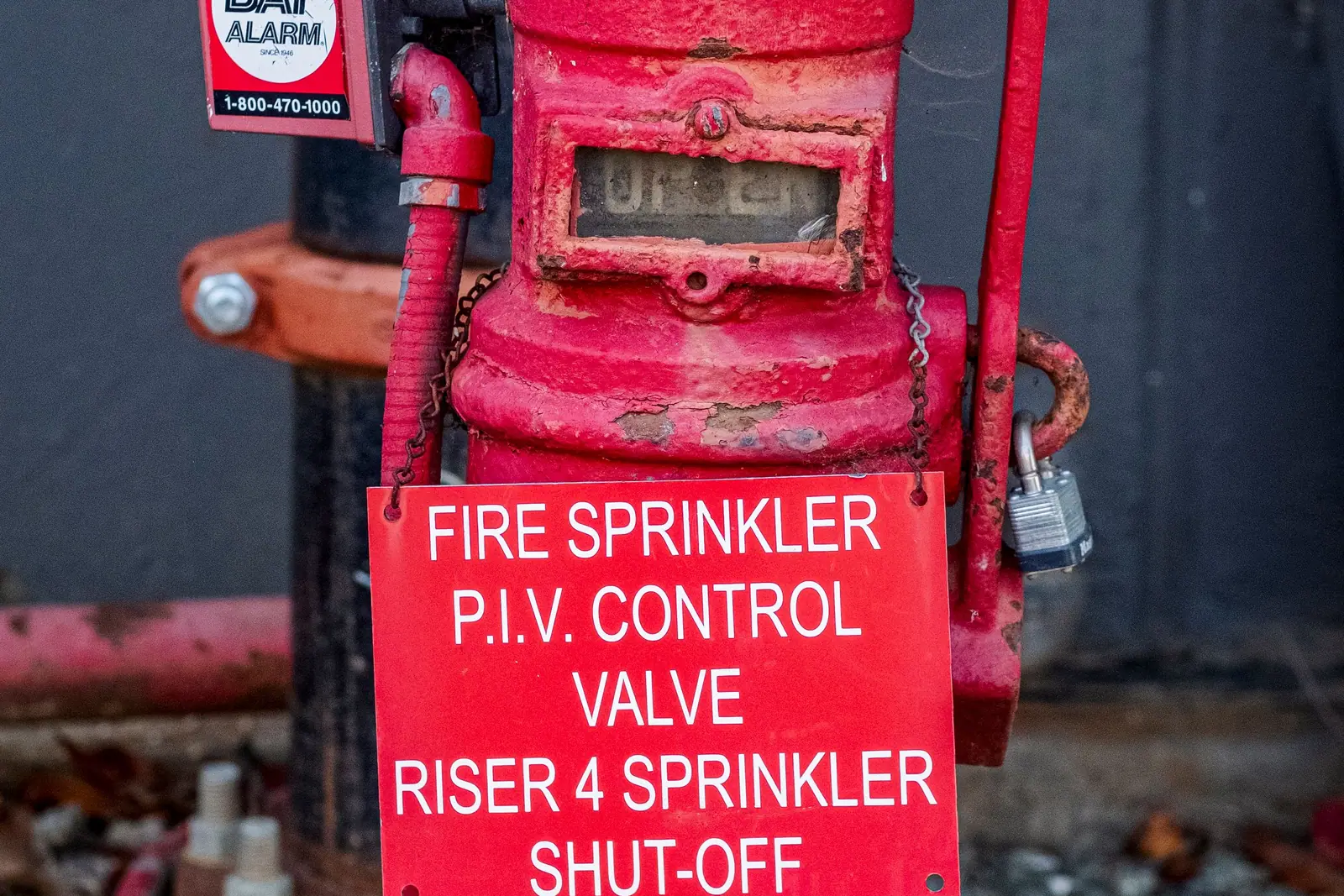
A fire protection system is not a single product. It is a coordinated set of detection, warning, suppression and water-supply arrangements that must suit the building's occupancy, floor area and height. Our work starts with understanding how your building is used and which arrangements are appropriate for it.
For multi-storey and low-rise buildings alike, the aim is to make sure a fire is detected quickly, occupants are warned, spread is limited and firefighting can begin effectively. Equipment is selected with reference to the National Building Code of India and relevant Indian Standards, as applicable to your building.
हिन्दी में जानकारी
भवन के उपयोग के अनुसार फायर अलार्म, स्मोक डिटेक्टर, स्प्रिंकलर, हाइड्रेंट और फायर पंप की योजना बनाना और प्रशिक्षित इंजीनियरों द्वारा उनकी स्थापना करना।
A hospital, a warehouse and an office have very different fire loads and evacuation needs, so the same system is never assumed for all of them.
Early detection and a clear alarm give occupants time to leave and let firefighting start sooner.
Hydrants, risers and sprinklers depend on tanks and pumps, including a standby pump arrangement and a jockey pump to hold system pressure.
Equipment needs to be reachable, identifiable and tested on a schedule so it works when required.
Discuss use, size, height, layout and any existing fire safety arrangements.
Map the building against the relevant code and standard provisions for professional review.
Recommend the detection, alarm, suppression and water-supply arrangements, with reasoning.
Installation carried out by competent engineers, coordinated with other building services.
Explain how the installed equipment works and how it should be tested and maintained.
Read this carefully
Systems are commonly selected by area, height and use with reference to the National Building Code of India (2005 and 2016 editions are often cited). The edition and local amendments that apply to your project must be confirmed.
Portable extinguishers are referred to IS 2190. The current edition should be verified before specifying.
Final approval of any installation rests with the competent authority, not with the installer.
Offices and business premises with many occupants, dense electrical loads and visitors unfamiliar with the layout.
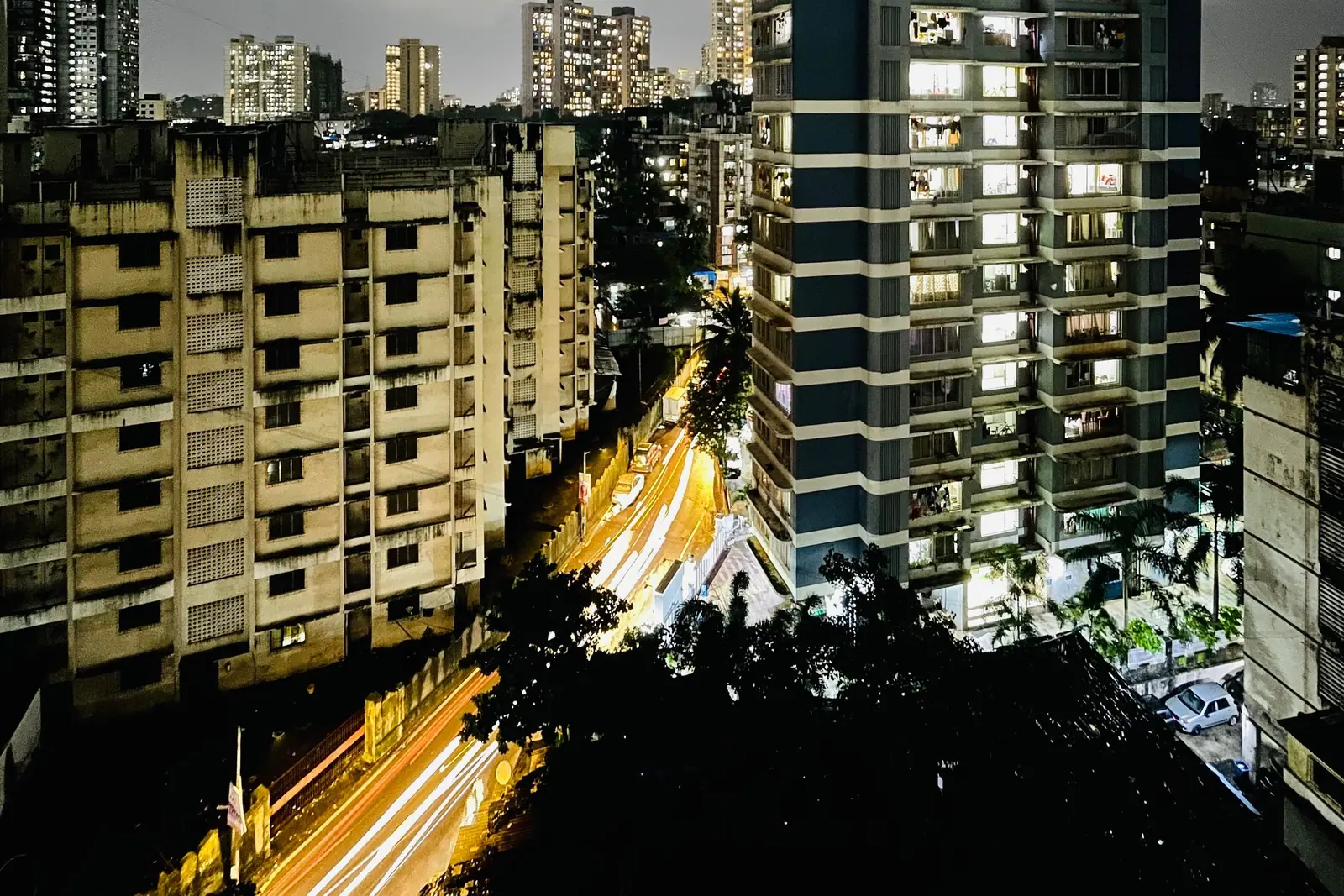
Apartment blocks and multi-storey housing, where many families share stairs, corridors and services.
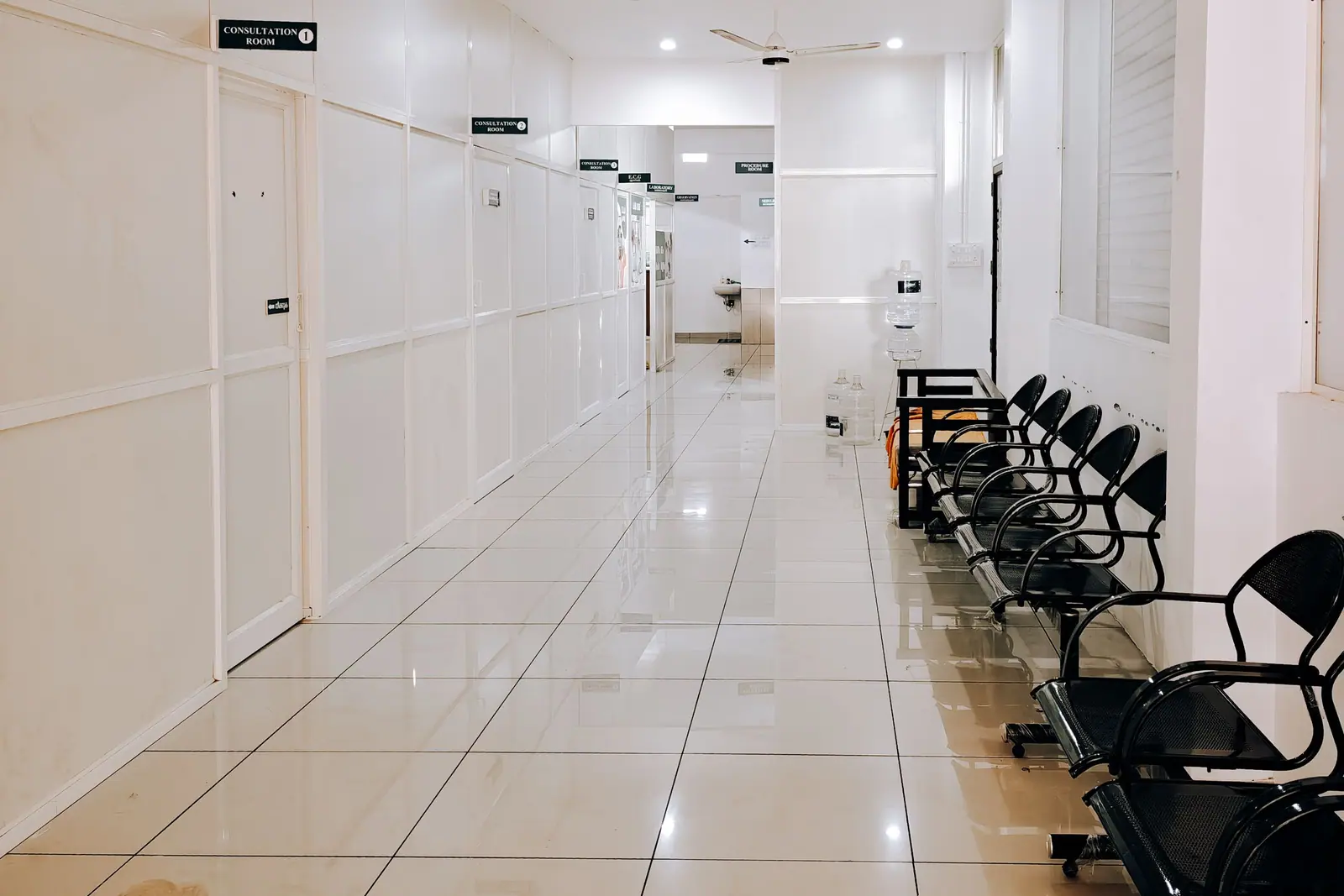
Hospitals and care buildings where patients may be unable to leave quickly and continuity of care matters.
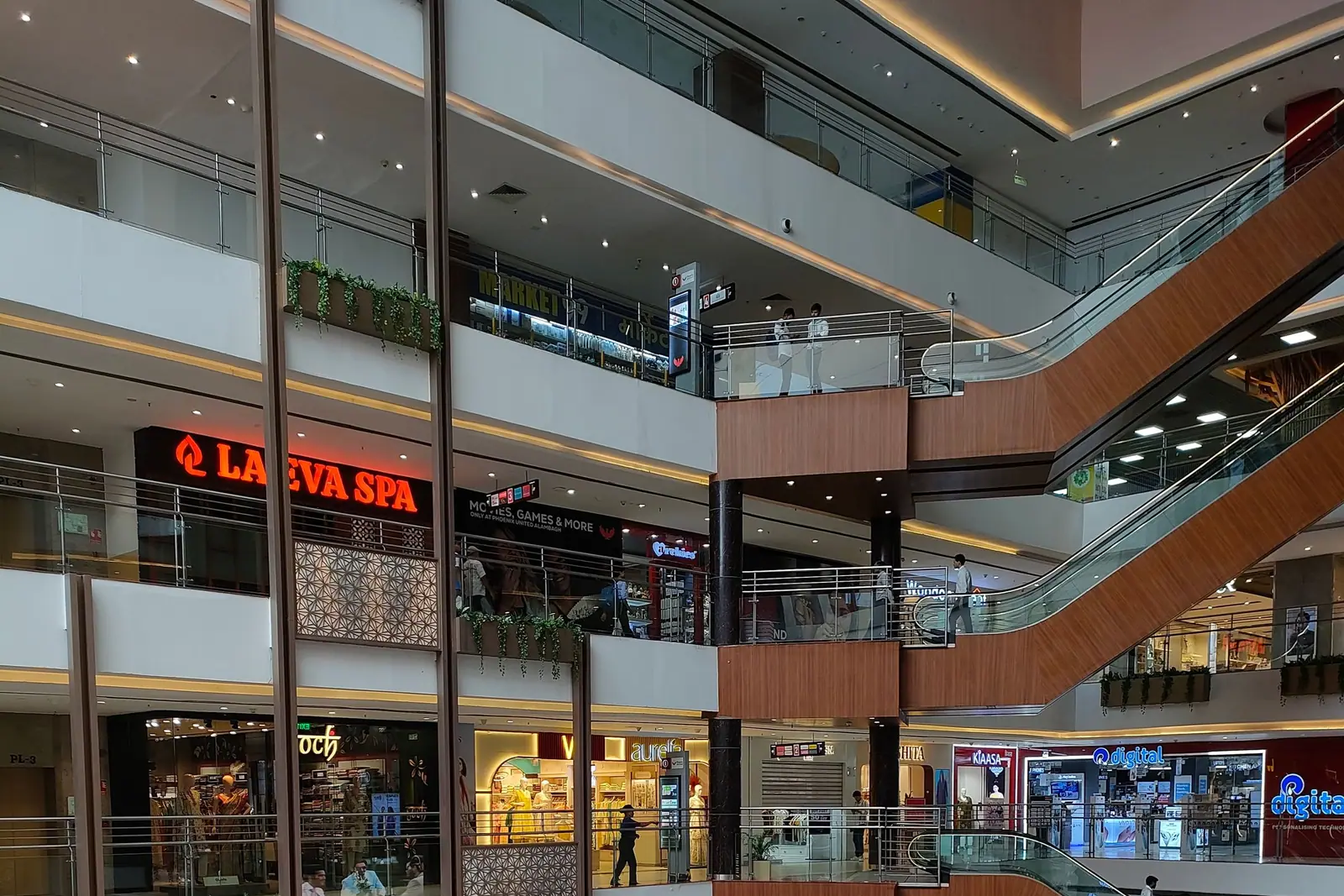
Malls, markets and multiplexes with large crowds, high fuel loads and big open volumes.
FAQ
Fire Protection System Design and Installation: common questions
Requirements differ from building to building and must be assessed against the regulations that apply.
No. The systems required depend on occupancy, area, height and applicable regulations. We assess the building before recommending anything.
Yes. Existing equipment can be reviewed, and gaps or upgrades can be discussed after an assessment.
A jockey pump maintains pressure in the fire water network so the main electric or diesel fire pumps are not started by minor pressure drops.
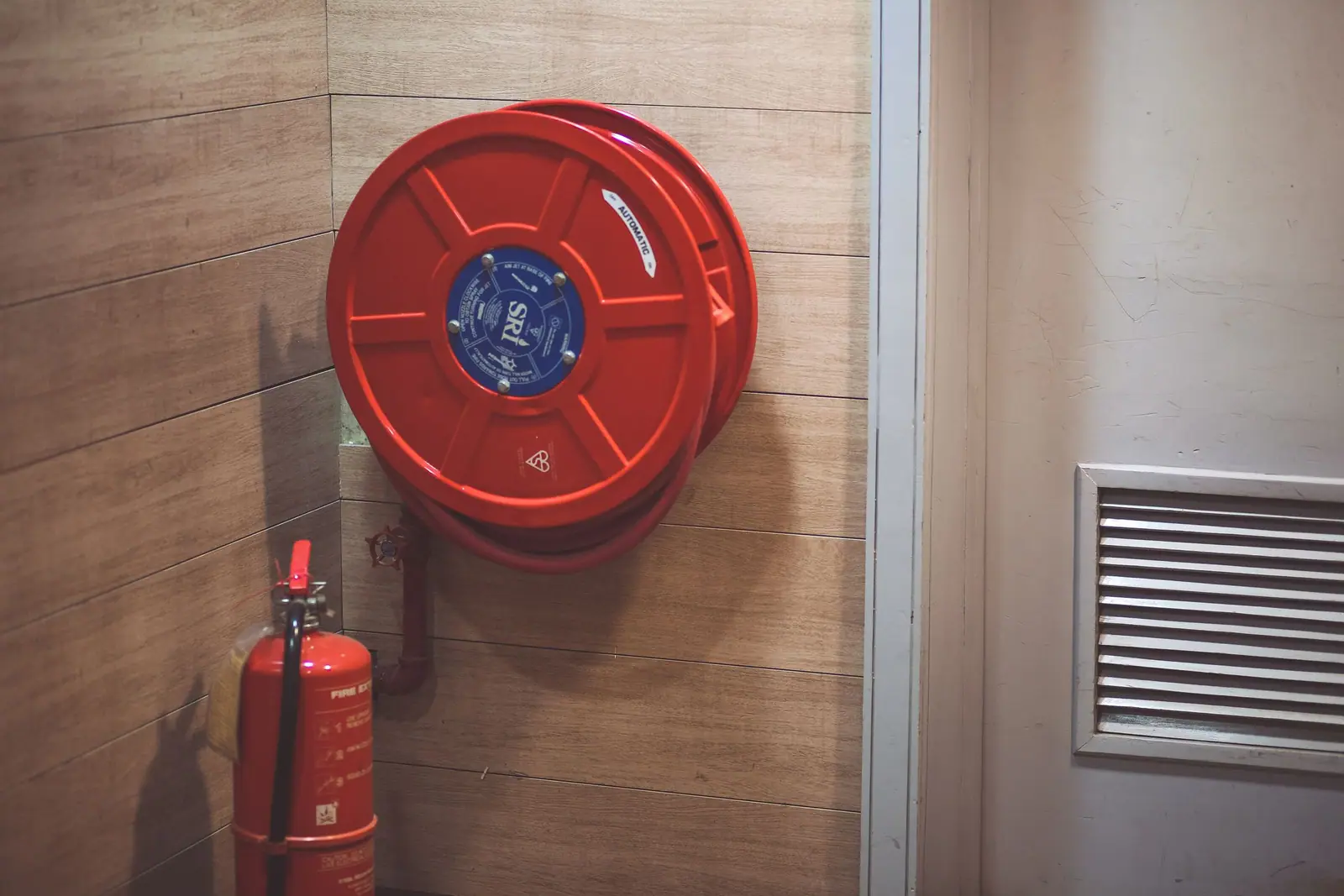
First-aid extinguishers and fire water infrastructure, from hose reels and risers to tanks and pumps, matched to the hazards present.
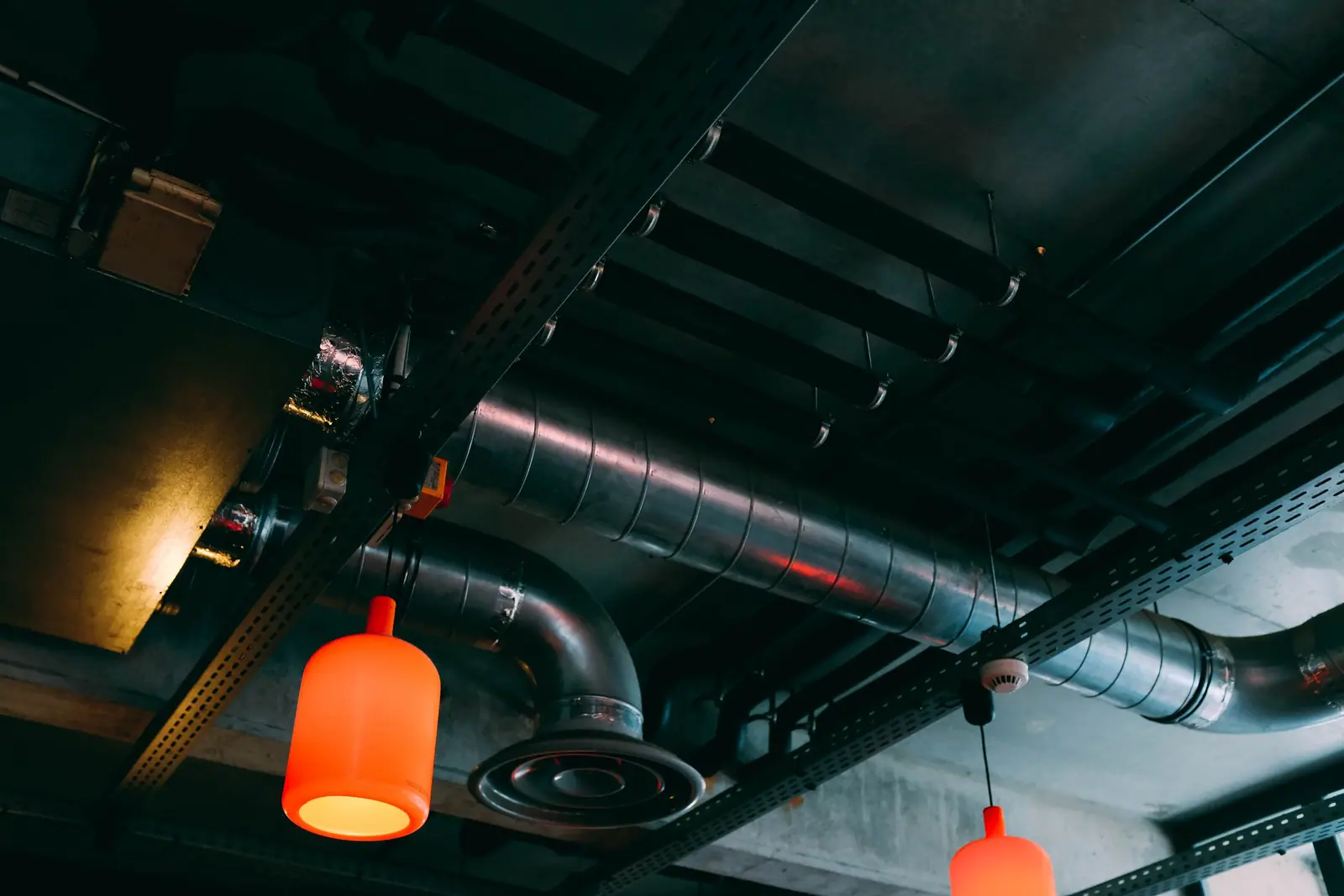
Systems that detect smoke and remove it, with its heat and toxic gases, through fans and ducts while supporting a path of fresh air.

A structured walk-through of your premises that finds fire hazards and gaps in protection before they turn into emergencies.

What Part 4 of the National Building Code covers, how buildings are classified by occupancy, and why the current edition must always be checked.
A practical checklist of the questions building owners and managers should ask about fire safety.
आइए, आपके भवन को सुरक्षित बनाएँ।
Tell us about your building, its use and what you need. We will respond with sensible next steps.