Schools and Colleges
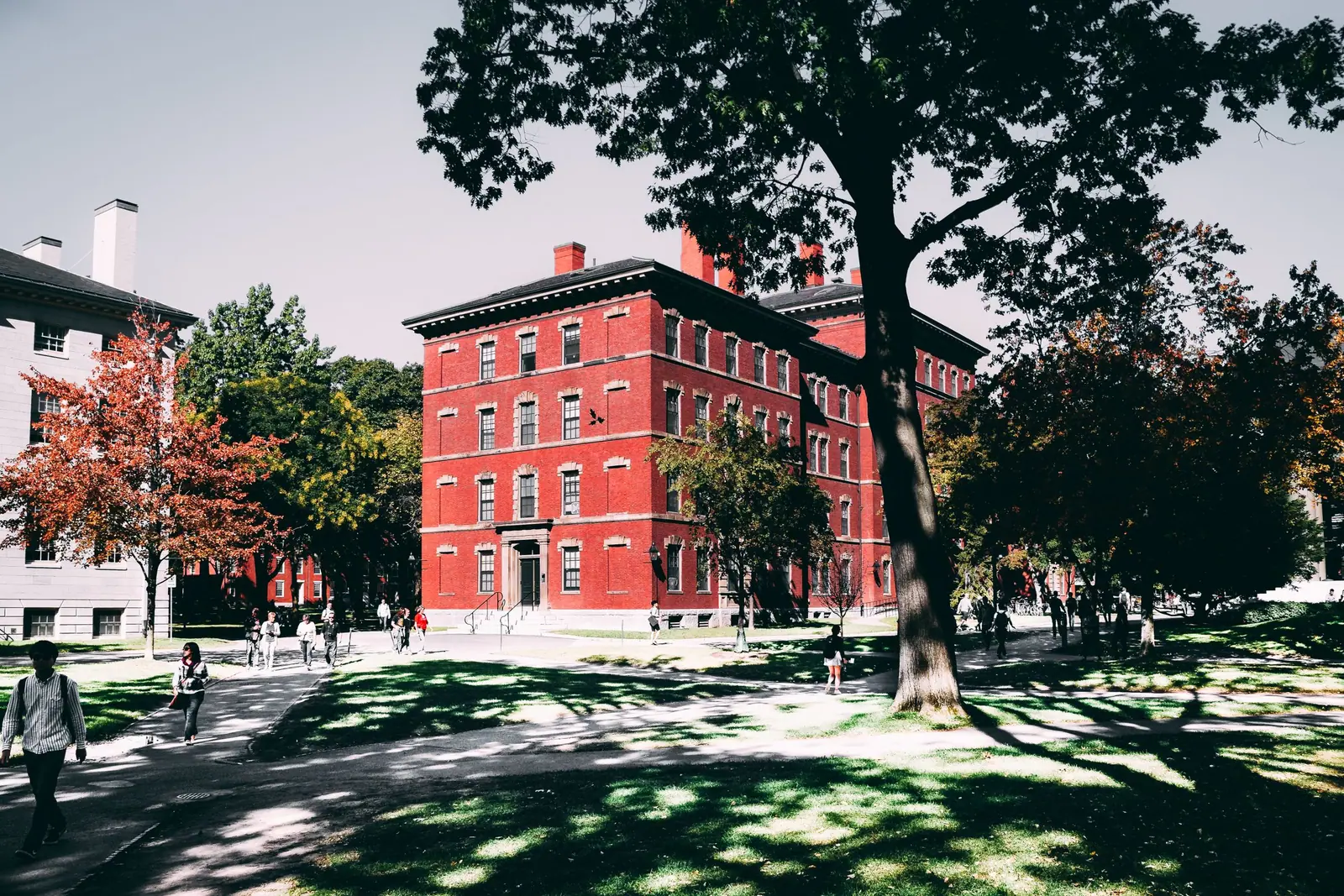
Schools and colleges where many young people gather and evacuation must be calm and well rehearsed.
Service
अग्नि सुरक्षा प्रशिक्षण और मॉक ड्रिल
Practical sessions and drills that teach people to prevent fires, evacuate calmly and use installed equipment only when it is safe.
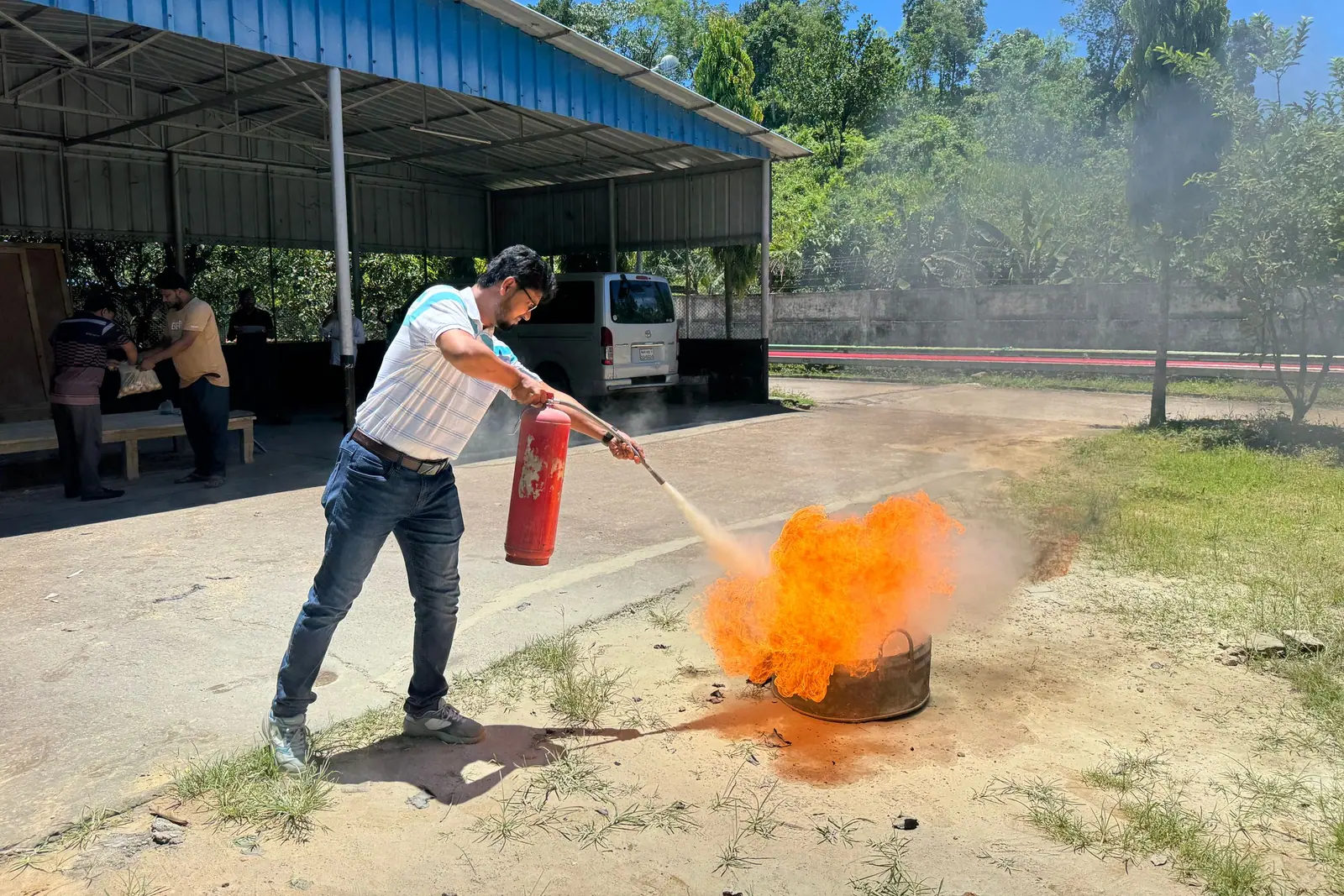
Equipment alone does not make a building safe. People need to know what to do, where to go and who is responsible for what. Training turns a written plan into habits that work under stress.
Our sessions teach officials and employees how fires are prevented, how to respond if one starts, how to help themselves and others reach safety and how the building's installed fire protection equipment is meant to be used.
हिन्दी में जानकारी
आग से बचाव, सुरक्षित निकासी और लगे हुए उपकरणों की जानकारी के लिए व्यावहारिक प्रशिक्षण। सबसे पहले सुरक्षित बाहर निकलें और आपात सेवाओं को सूचित करें।
The priority is getting people out and calling emergency services. Staff are only encouraged to use extinguishers on small fires when it is safe and they have been trained.
Drills work best when someone is accountable for alarm, roll-call and guiding visitors.
A school, a hotel and a factory need different scenarios and different communication.
A short debrief reveals blocked routes, unclear signs or slow responses that can be fixed.
Review layout, people, hazards and installed equipment.
Design content and drills suited to your staff and building.
Explain prevention, response and evacuation, and demonstrate equipment familiarisation.
Practice the evacuation and observe how it goes.
Share observations and agree improvements.
Read this carefully
Training supports, but does not replace, the evacuation and emergency planning expected of a building under applicable rules.
We do not suggest occupants should fight dangerous fires. Evacuation and contacting emergency services come first.
Schools and colleges where many young people gather and evacuation must be calm and well rehearsed.

Hotels where sleeping guests, kitchens and banquet halls bring varied risks and unfamiliar occupants.
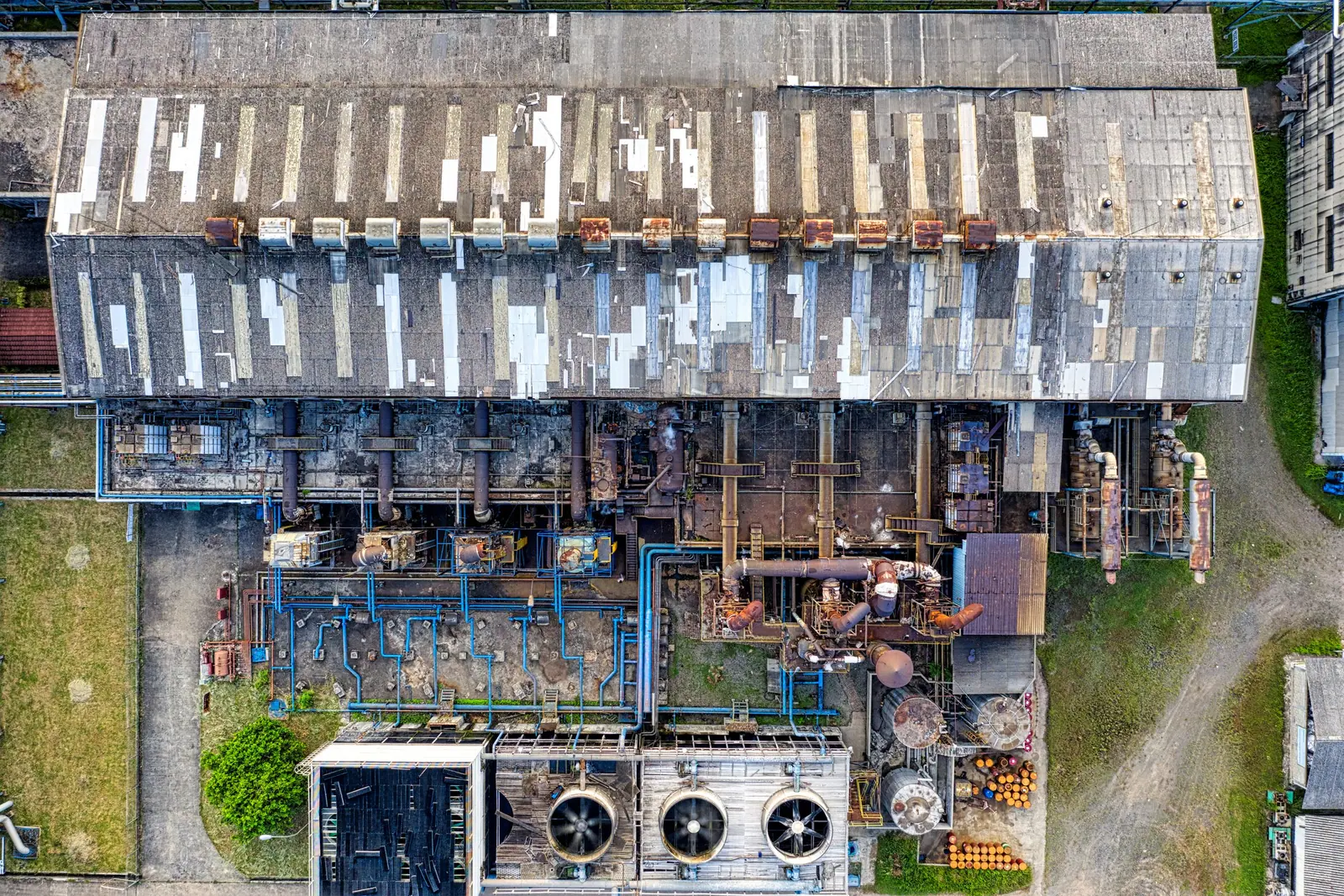
Factories and process facilities where materials, machinery and heat sources create varied fire hazards.
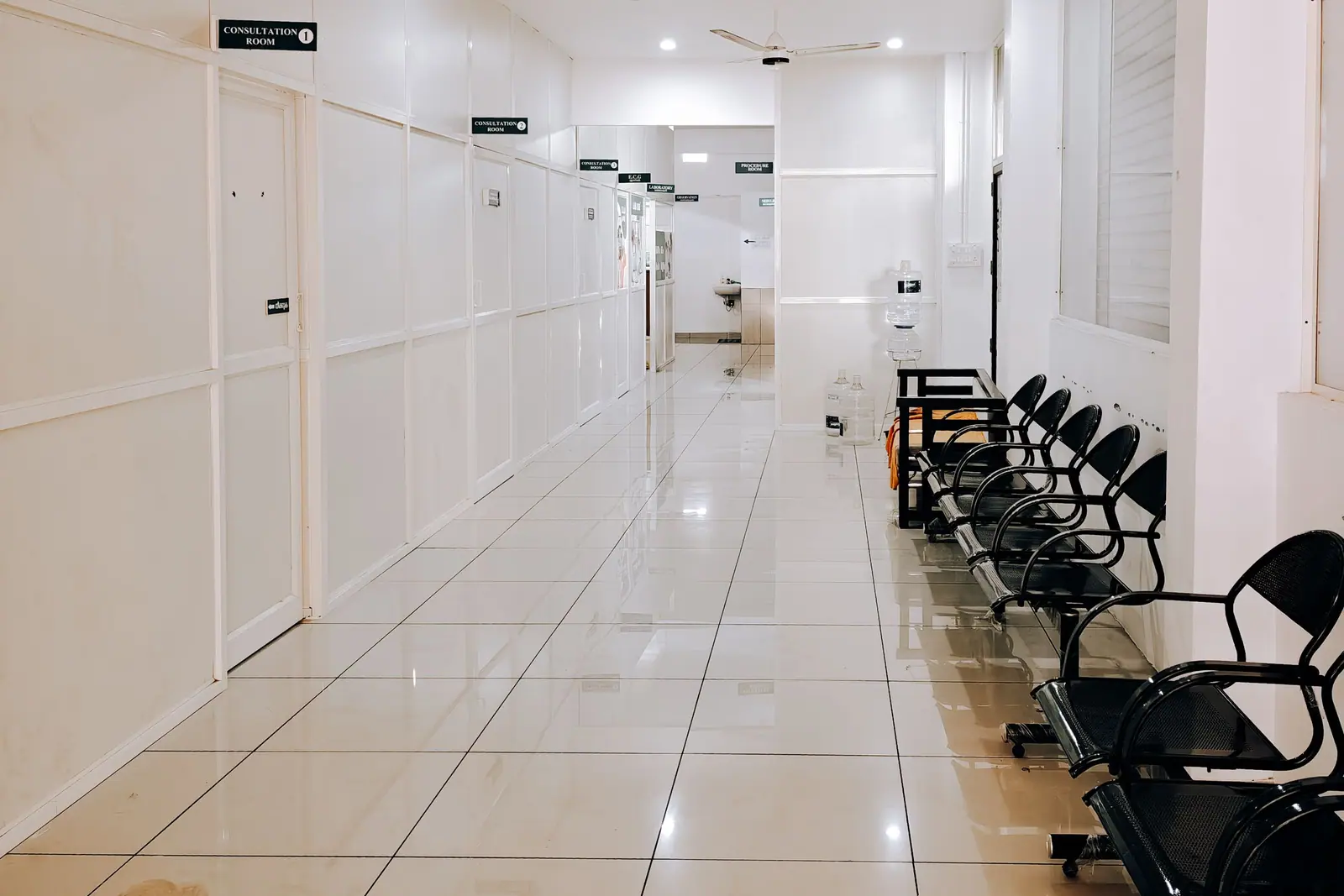
Hospitals and care buildings where patients may be unable to leave quickly and continuity of care matters.

Offices and business premises with many occupants, dense electrical loads and visitors unfamiliar with the layout.
FAQ
Fire Safety Training and Mock Drills: common questions
Requirements differ from building to building and must be assessed against the regulations that apply.
Fire prevention, emergency procedures, evacuation, familiarisation with installed equipment, staff responsibilities and a mock drill.
No. Everyone should know to raise the alarm and evacuate. Extinguishers are for small fires, only when it is safe, by trained people.
Yes. On-site training lets us use your real exits, equipment and layout.

A structured walk-through of your premises that finds fire hazards and gaps in protection before they turn into emergencies.
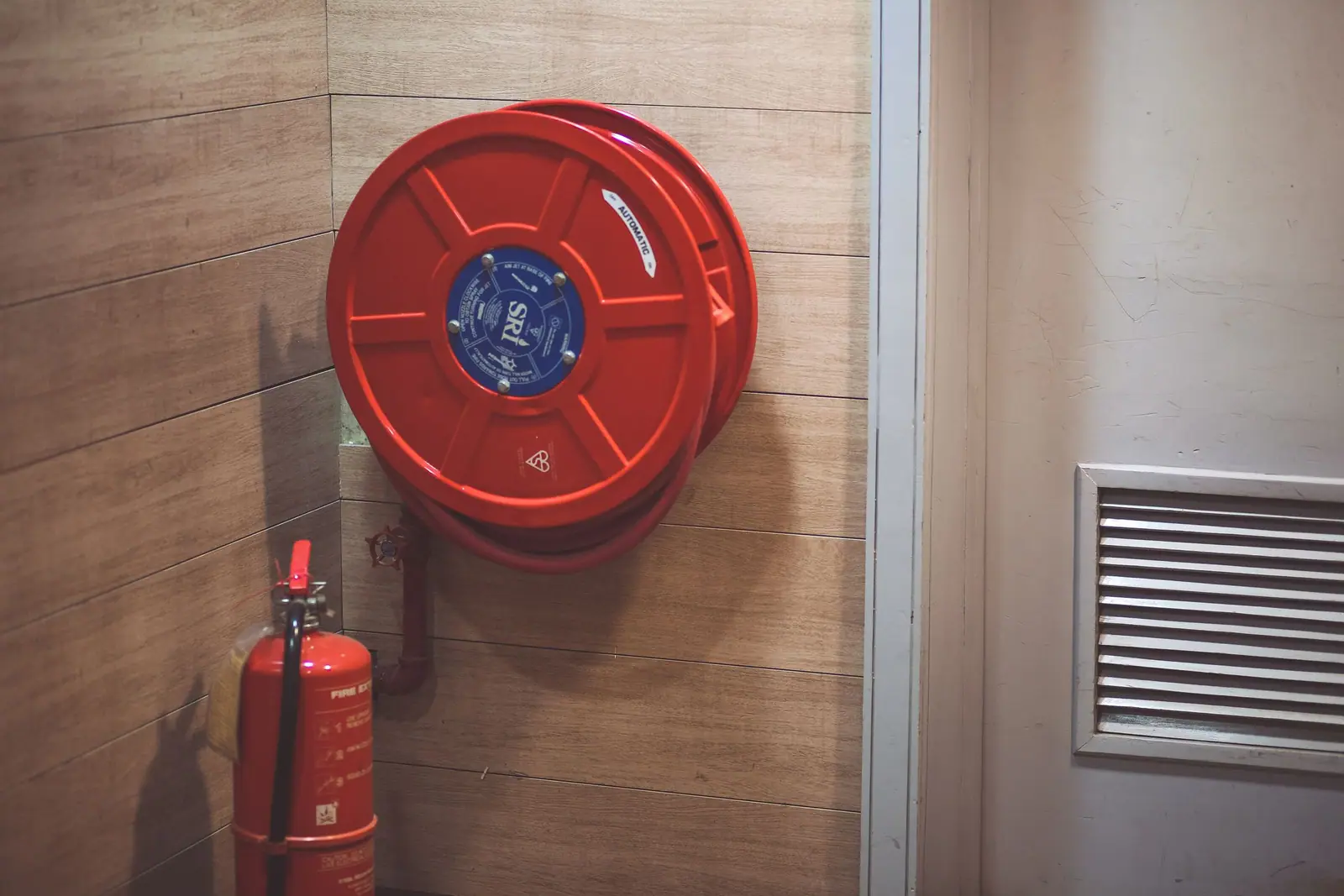
First-aid extinguishers and fire water infrastructure, from hose reels and risers to tanks and pumps, matched to the hazards present.
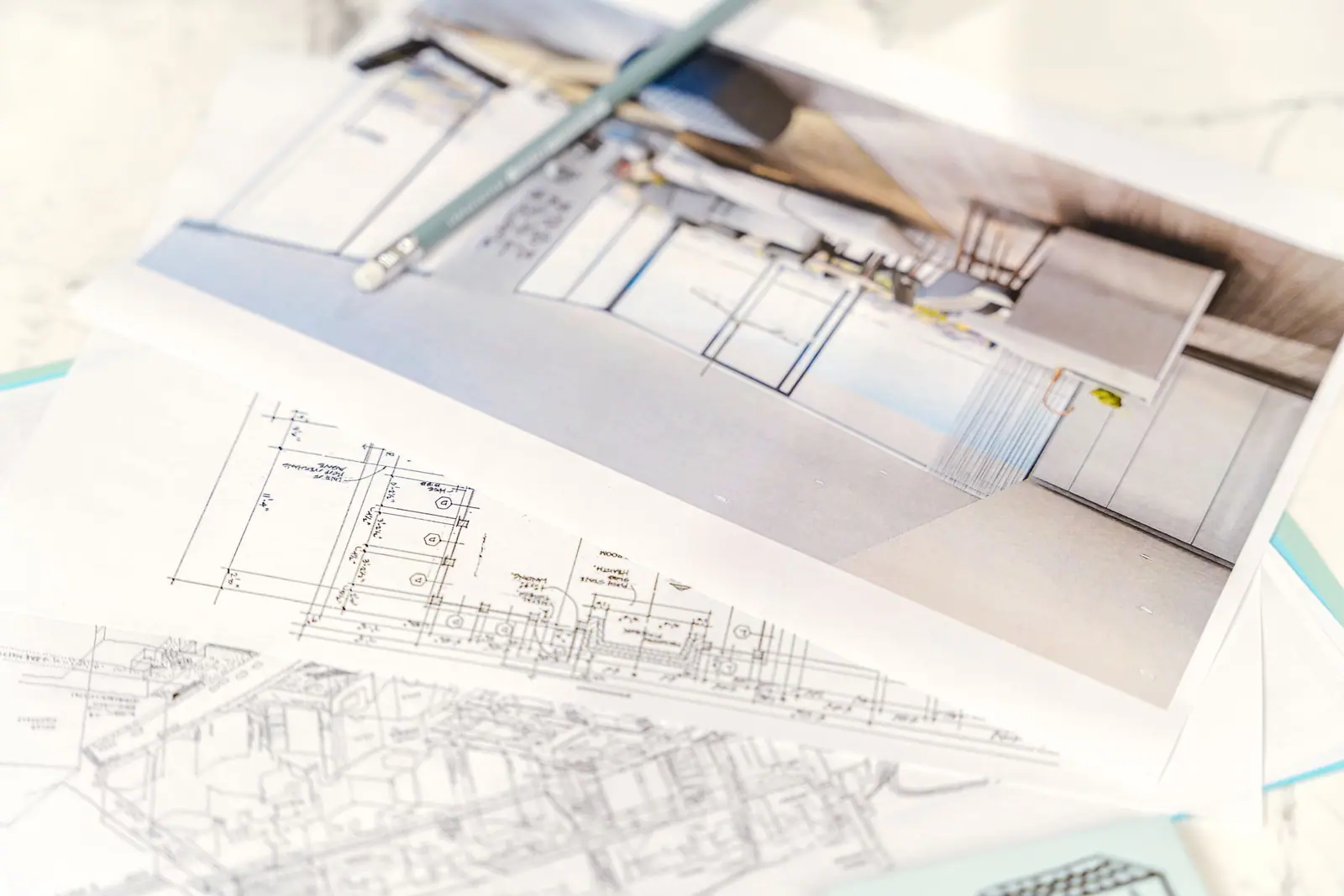
Fire safety built into the plan: occupancy, structure, exits, corridors and escape routes considered before the building is constructed.
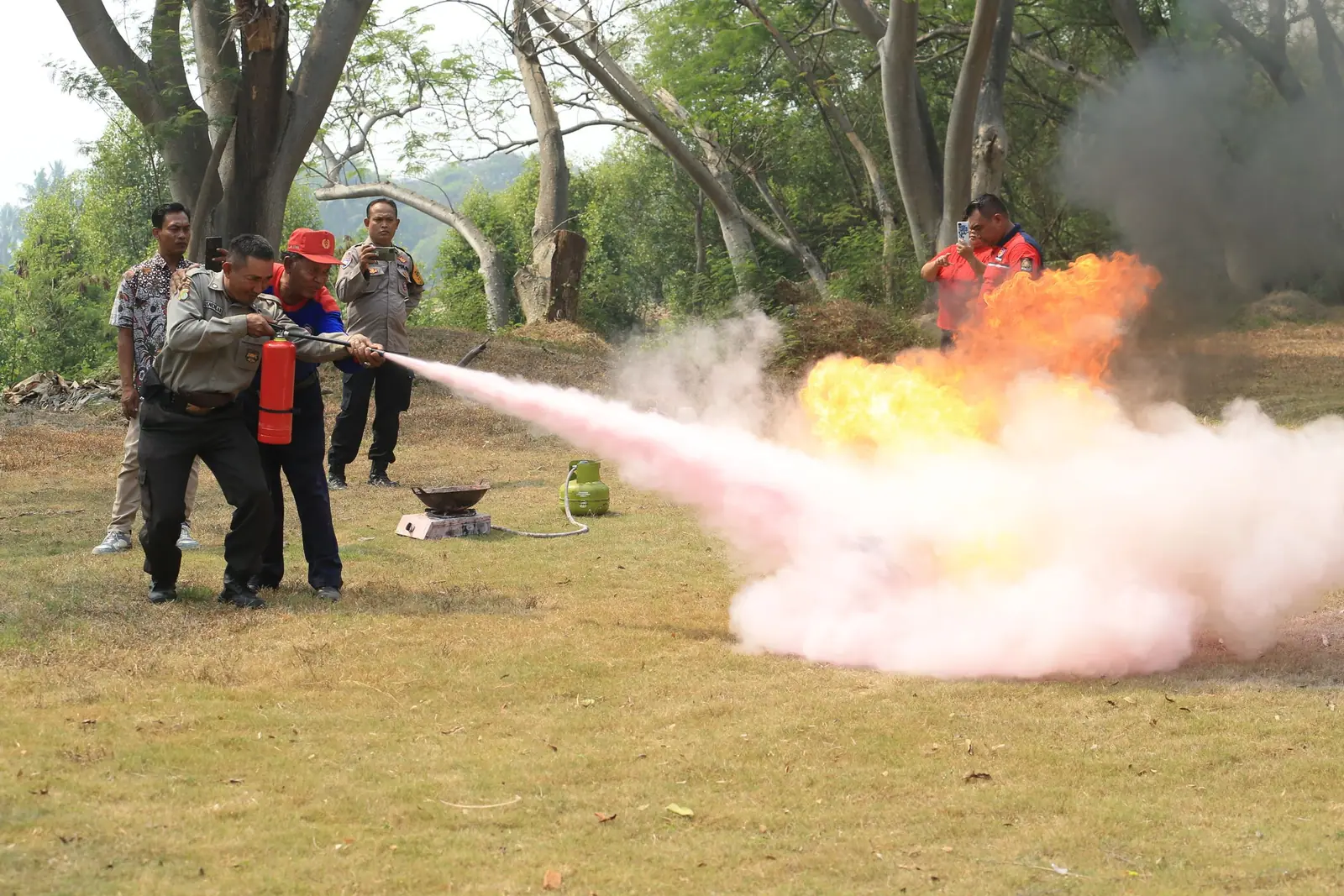
What effective fire safety training and drills cover, and why people need to practise.

Why fire safety is more than equipment: prevention, warning, escape and smoke control form a chain that protects occupants.
आइए, आपके भवन को सुरक्षित बनाएँ।
Tell us about your building, its use and what you need. We will respond with sensible next steps.