
A chain, not a single measure
Fire safety works as a chain: prevent ignition where possible, detect quickly, warn occupants, help them leave, limit the fire and smoke, and support firefighting. A weakness at any link can undermine the others.
Prevention
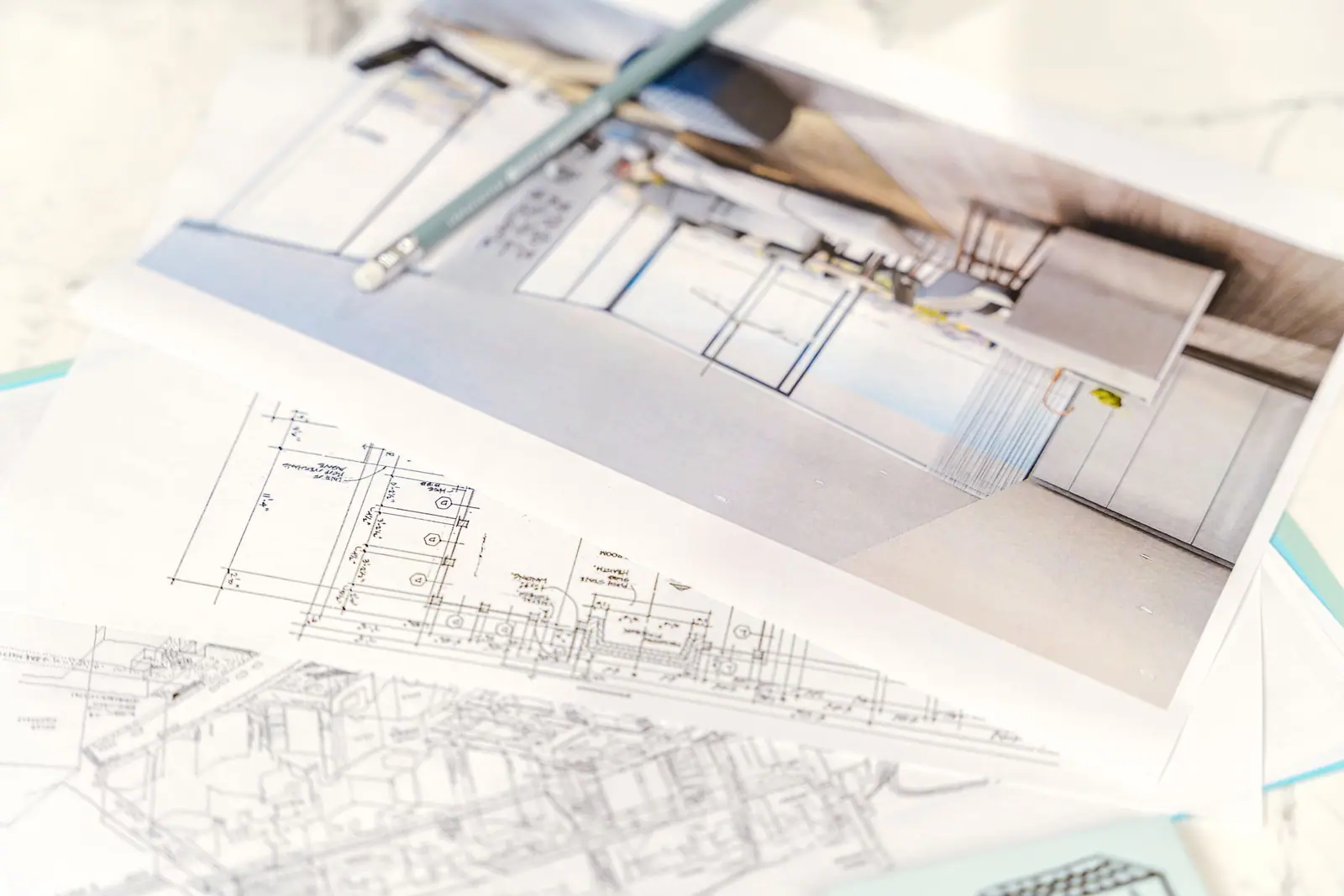
Most prevention is practical: keeping combustible materials away from heat sources, maintaining electrical installations, controlling storage and keeping exits clear. Structural prevention also matters. Buildings should be designed and built with appropriate protection to beams, columns, slabs and roofs so they hold up longer in a fire.
Warning and escape
Manually operated alarms and automatic smoke detection give occupants the time to leave. Clear, protected routes, sensible travel distances and external staircases or fire escapes where applicable then let people move to safety.
Smoke and the people factor
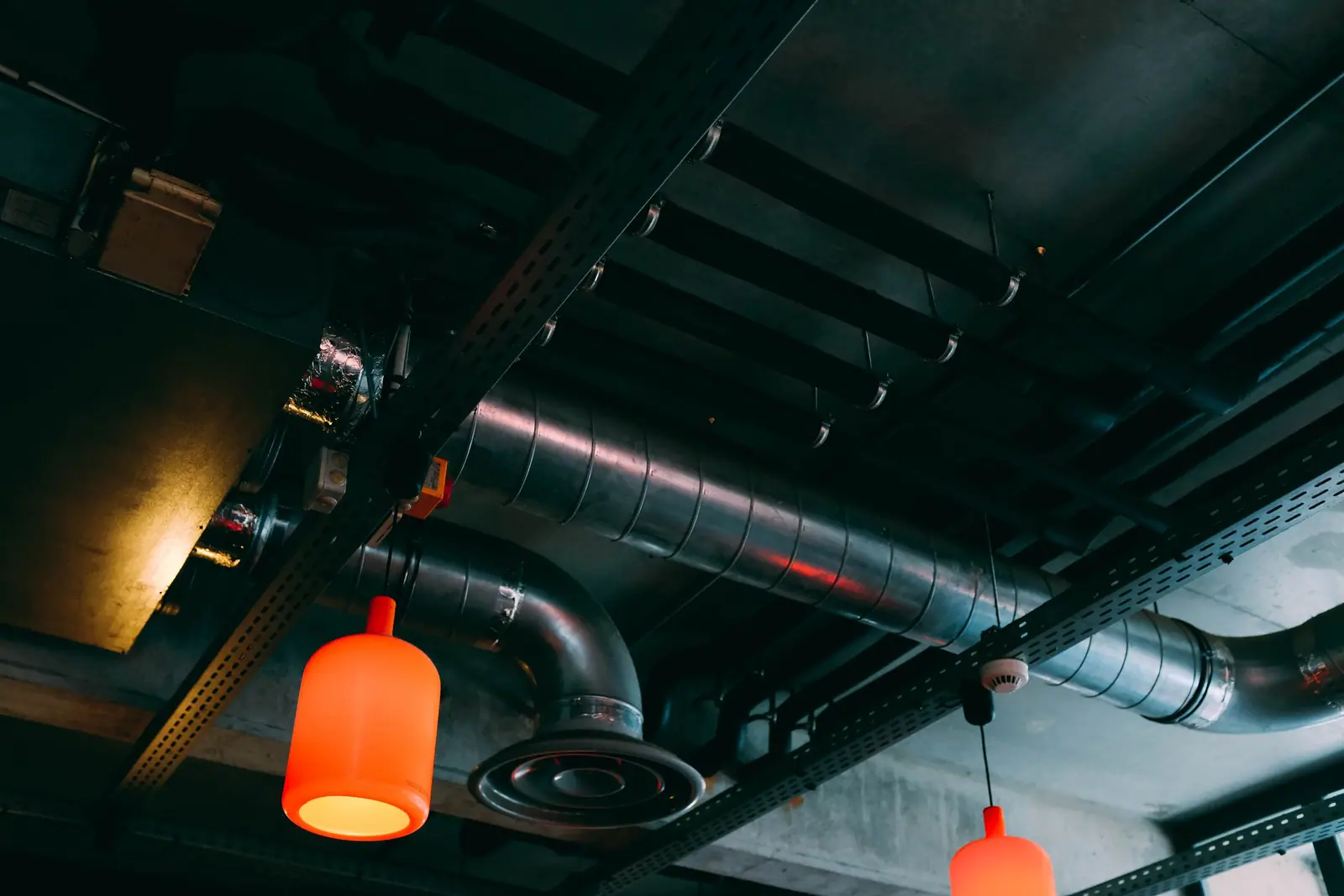
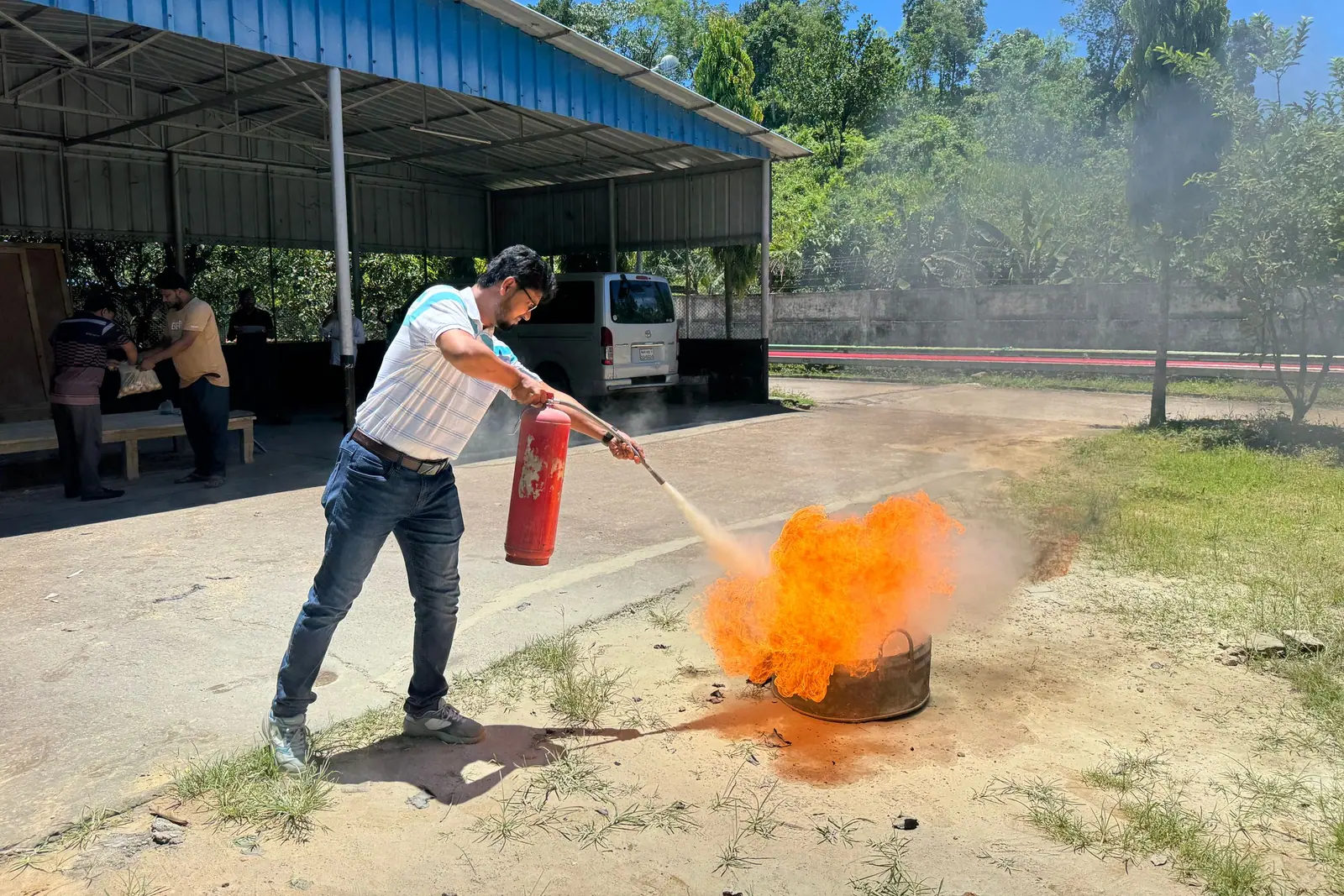
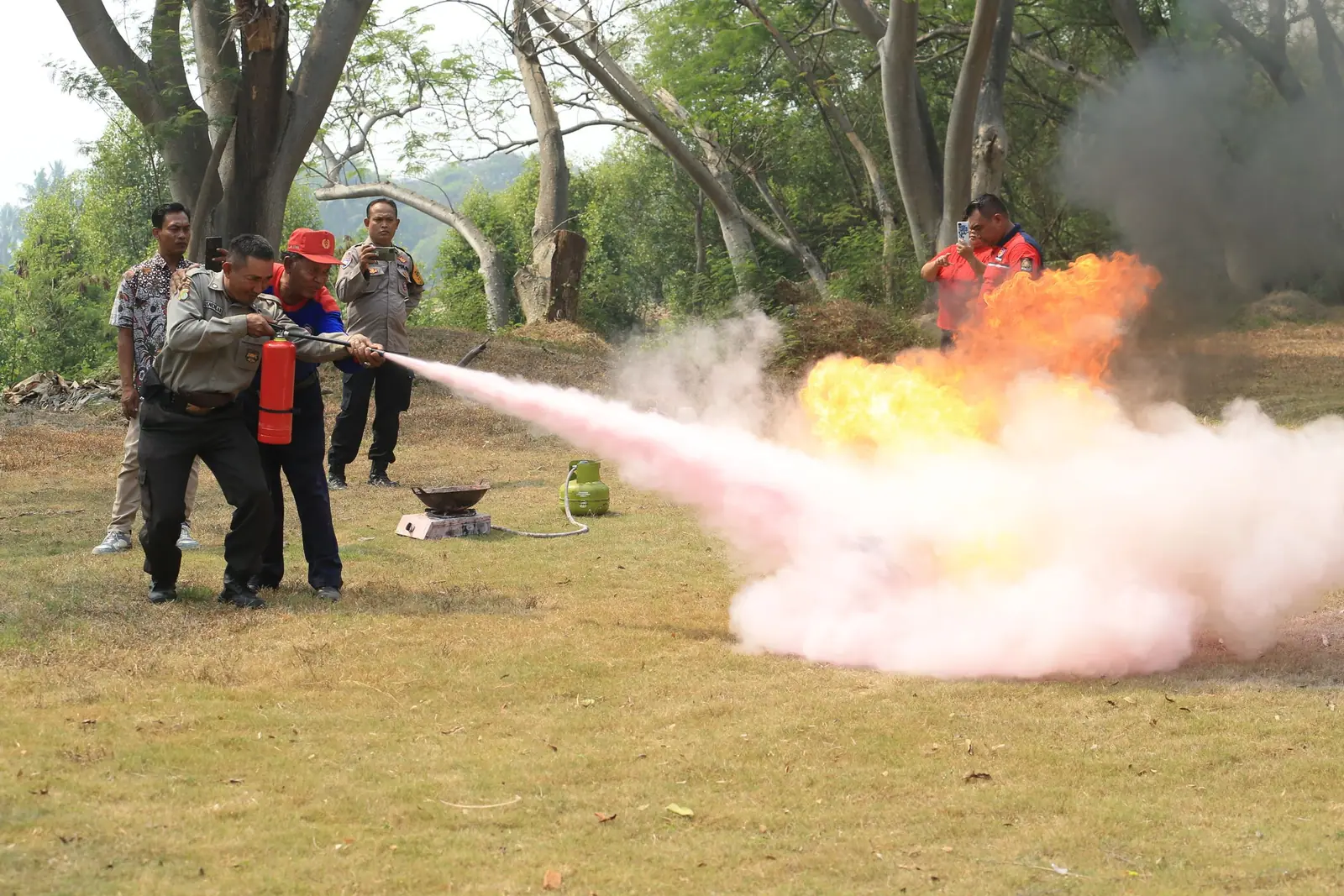
Smoke often causes harm before flames do, so smoke control is part of life safety. Equally, people must know the plan. Training and mock drills turn a plan on paper into a response that works when needed.
No building can be called completely safe or free of risk. The aim is to reduce risk to a level that is reasonable and managed.
Educational information only
This article is an original general summary. It is not legal, regulatory or engineering advice, and it does not reproduce standards. Requirements vary by building and change over time; confirm them with the competent authority and a qualified professional.