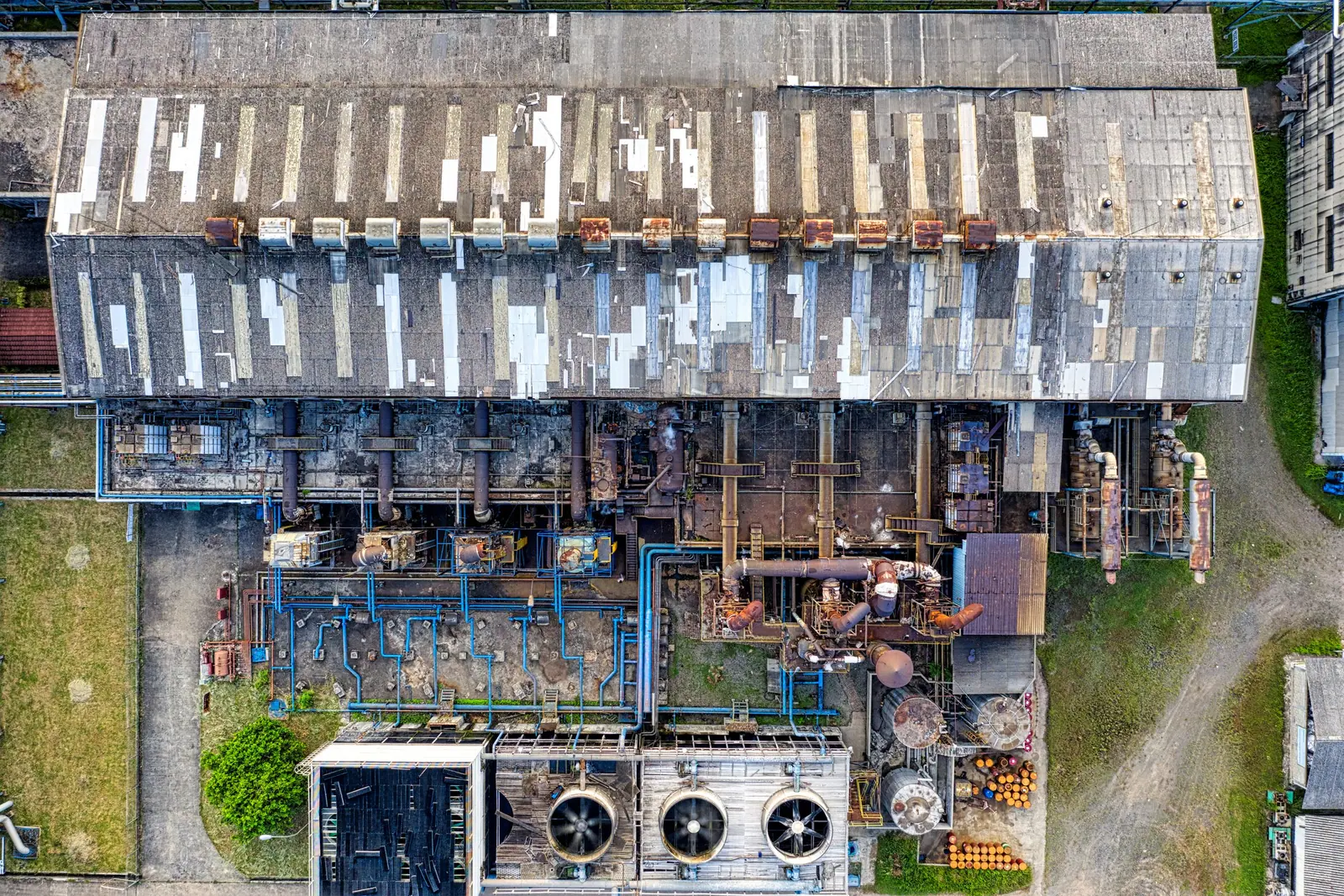
Industrial Facilities and Factories
Factories and process facilities where materials, machinery and heat sources create varied fire hazards.
Service
अग्निशामक यंत्र और हाइड्रेंट प्रणालियाँ
First-aid extinguishers and fire water infrastructure, from hose reels and risers to tanks and pumps, matched to the hazards present.
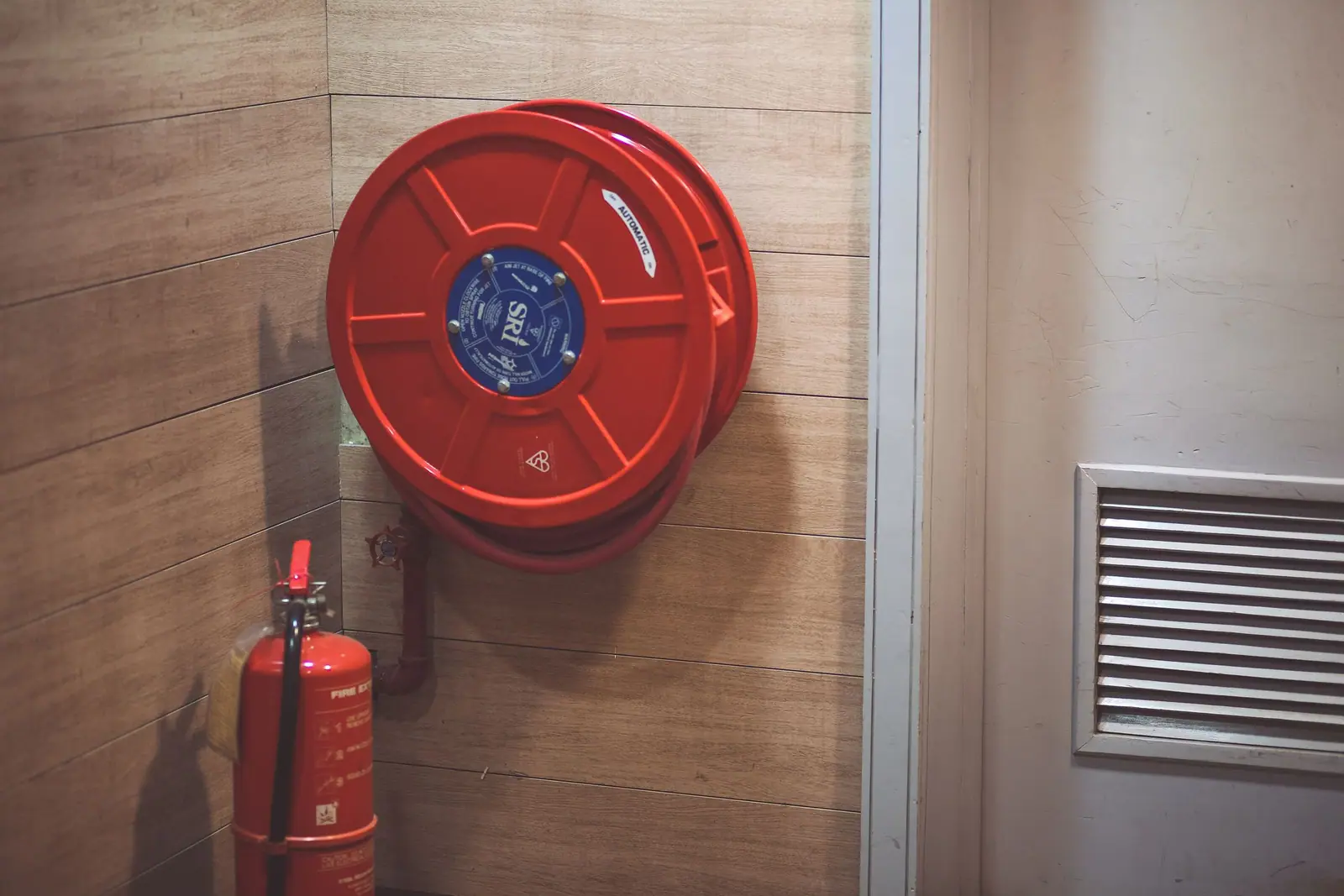
Portable extinguishers are the first line of response to a small fire, while hose reels, risers, hydrants and the tanks and pumps behind them provide the water needed for larger incidents. Both have to be chosen, placed and maintained deliberately.
Extinguishers are commonly provided in line with IS 2190, with type and placement based on the fire risk and ease of access, alongside a range of fire water systems installed by trained engineers.
हिन्दी में जानकारी
प्रारंभिक अग्निशामक यंत्र तथा होज़ रील, राइज़र, हाइड्रेंट, टैंक और पंप जैसी अग्नि-जल व्यवस्था, जिन्हें खतरे के अनुसार चुना जाता है।
Different extinguishers suit different fire classes. Using the wrong one can be ineffective or dangerous.
Equipment should be easy to see and reach, and marked with signage.
Tanks, pumps and risers must provide adequate supply and pressure for the system's design.
Inspection and servicing intervals depend on the equipment and applicable standards.
Identify the kinds of fire risk in each area.
Choose types and locations with reference to the applicable standards.
Define the risers, hydrants, tanks and pumps the building needs.
Install and mark equipment.
Show people how to use it and set up a maintenance routine.
Read this carefully
IS 2190 is the Indian Standard commonly cited for first-aid extinguishers. Always check the current edition before specifying.
Equipment selection, placement, maintenance and design depend on the applicable standards and the building's hazard classification.
Factories and process facilities where materials, machinery and heat sources create varied fire hazards.
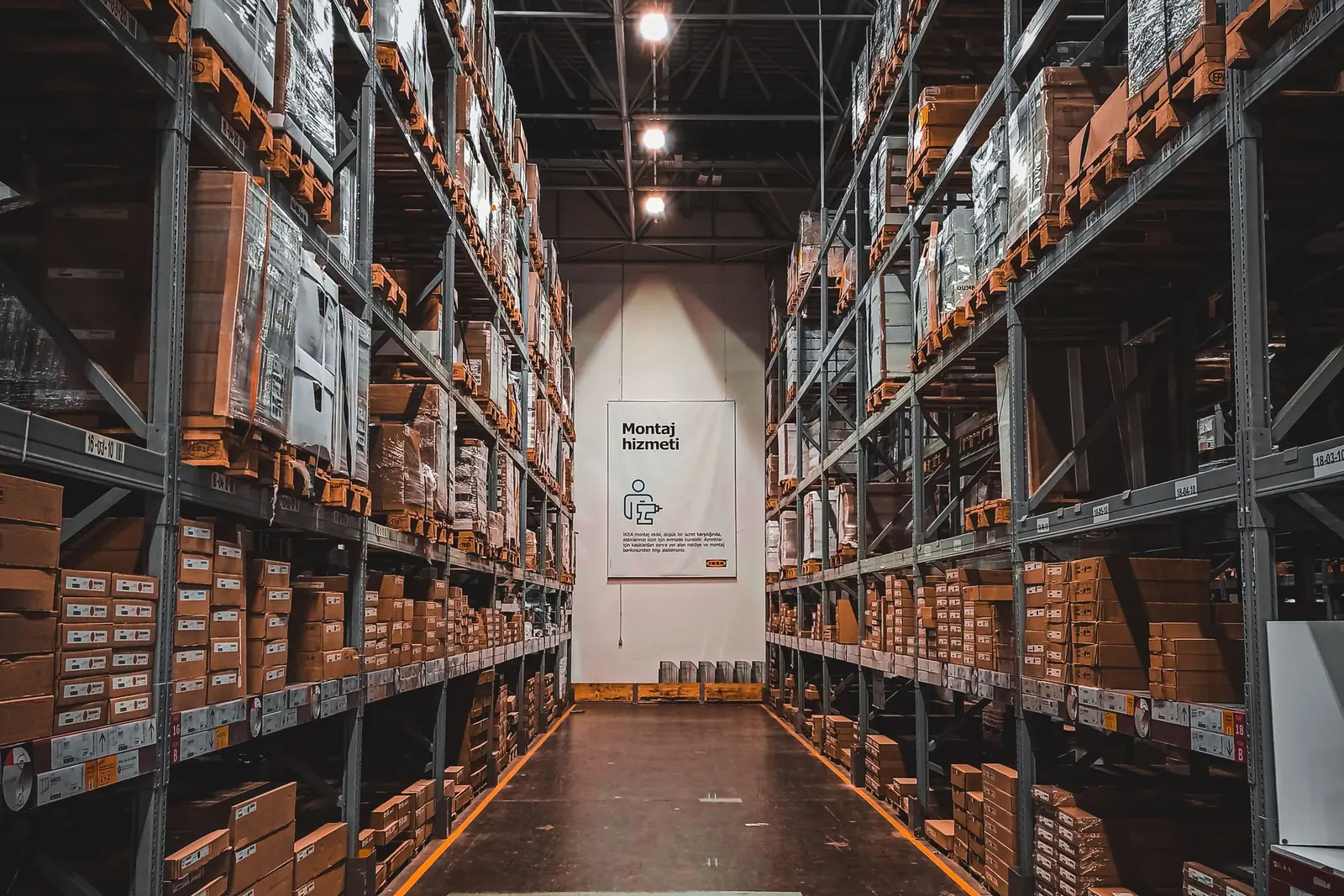
Warehouses where stored goods, stacking height and limited staffing shape how a fire behaves.

Offices and business premises with many occupants, dense electrical loads and visitors unfamiliar with the layout.
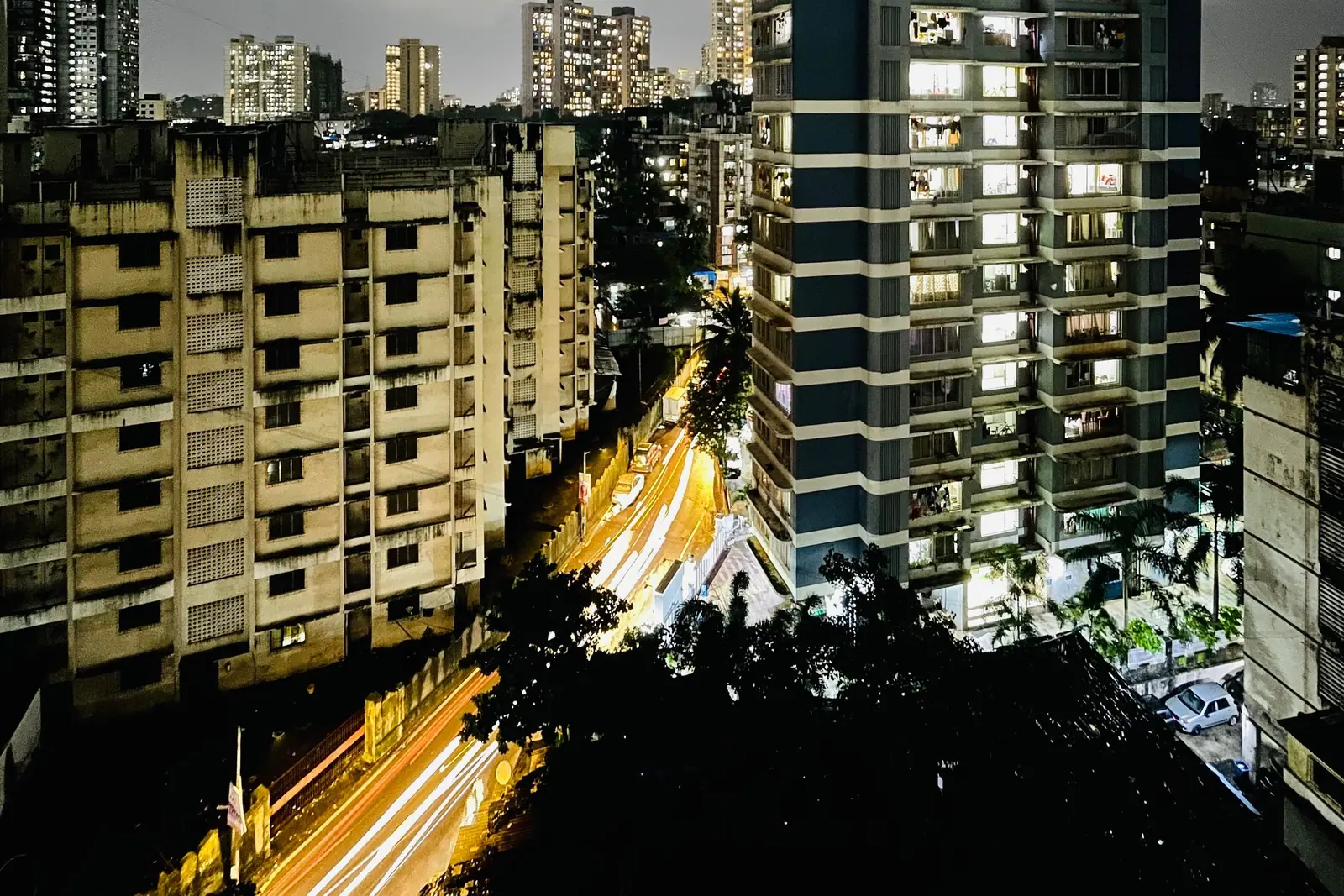
Apartment blocks and multi-storey housing, where many families share stairs, corridors and services.
FAQ
Fire Extinguishers and Hydrant Systems: common questions
Requirements differ from building to building and must be assessed against the regulations that apply.
Placement follows hazard and travel reach under the applicable standard. We assess each area rather than apply one rule everywhere.
A wet riser is a vertical pipe permanently filled with water that lets firefighters draw water on upper floors.
They store water at height for fire fighting use and are supported by terrace pumps as required by the design.
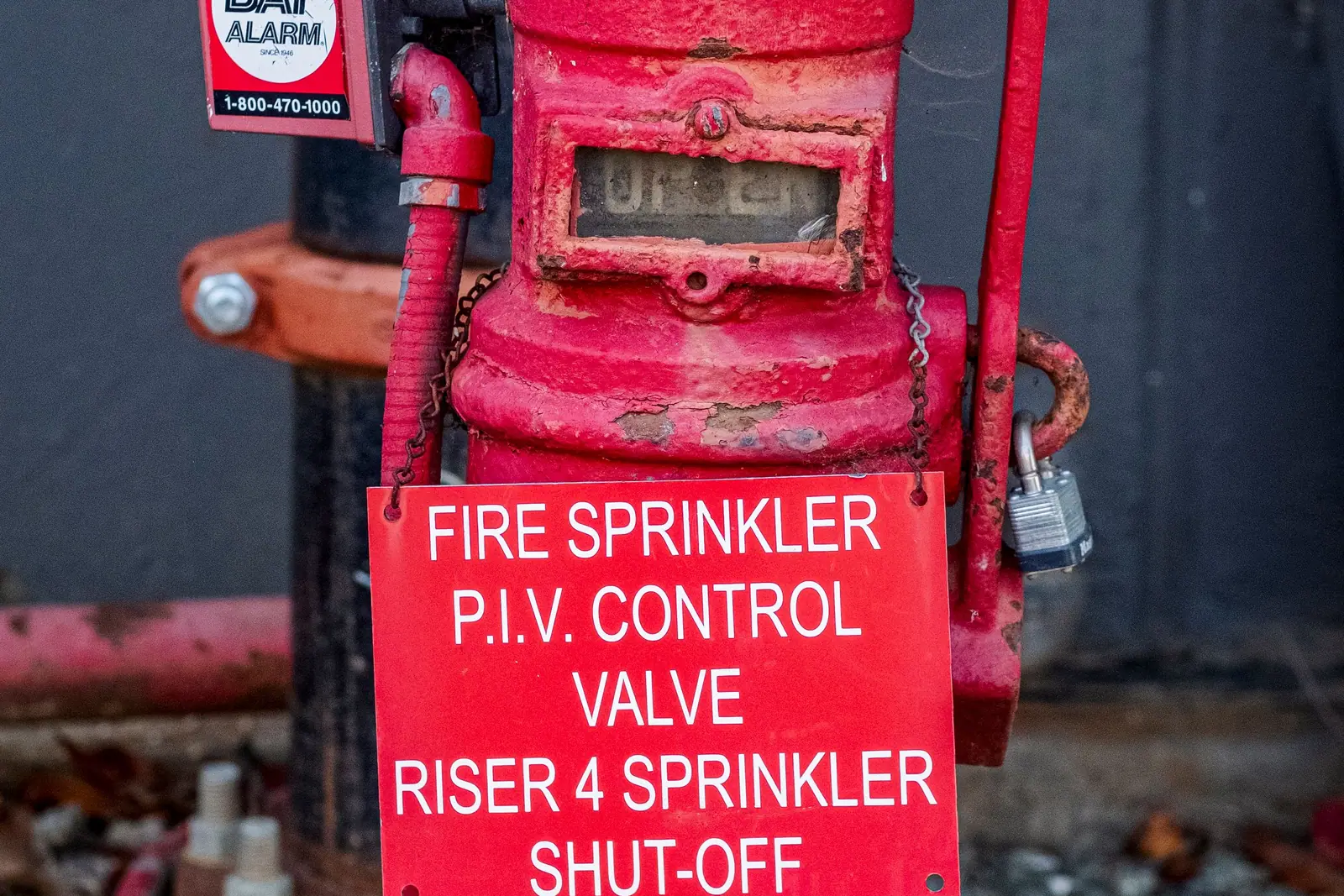
Alarms, detectors, sprinklers, hydrants and fire pumps selected for how your building is actually used, then installed by trained engineers.
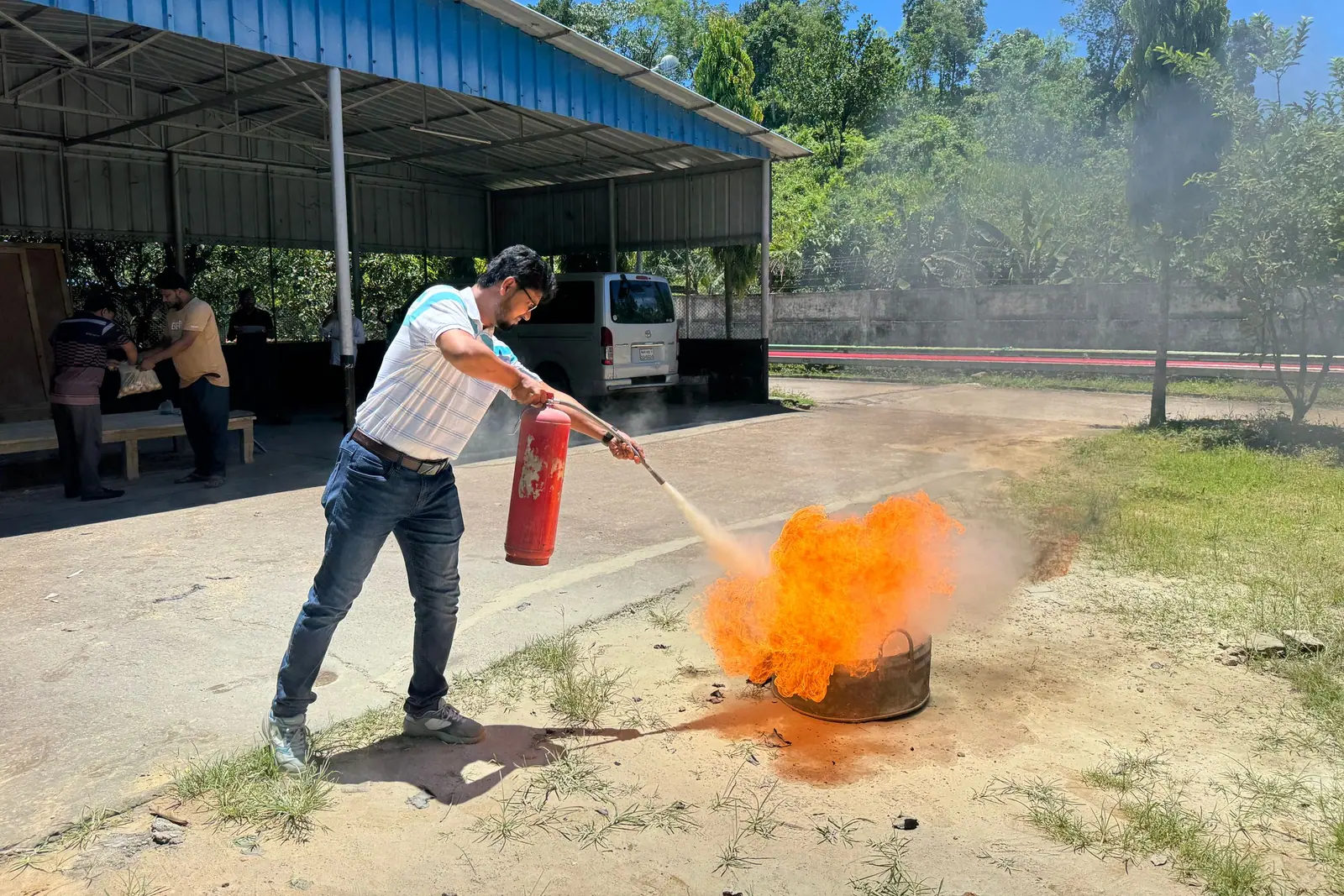
Practical sessions and drills that teach people to prevent fires, evacuate calmly and use installed equipment only when it is safe.

A considered approach to fire protection that weighs environmental impact alongside people's safety, hazard suitability and standards.
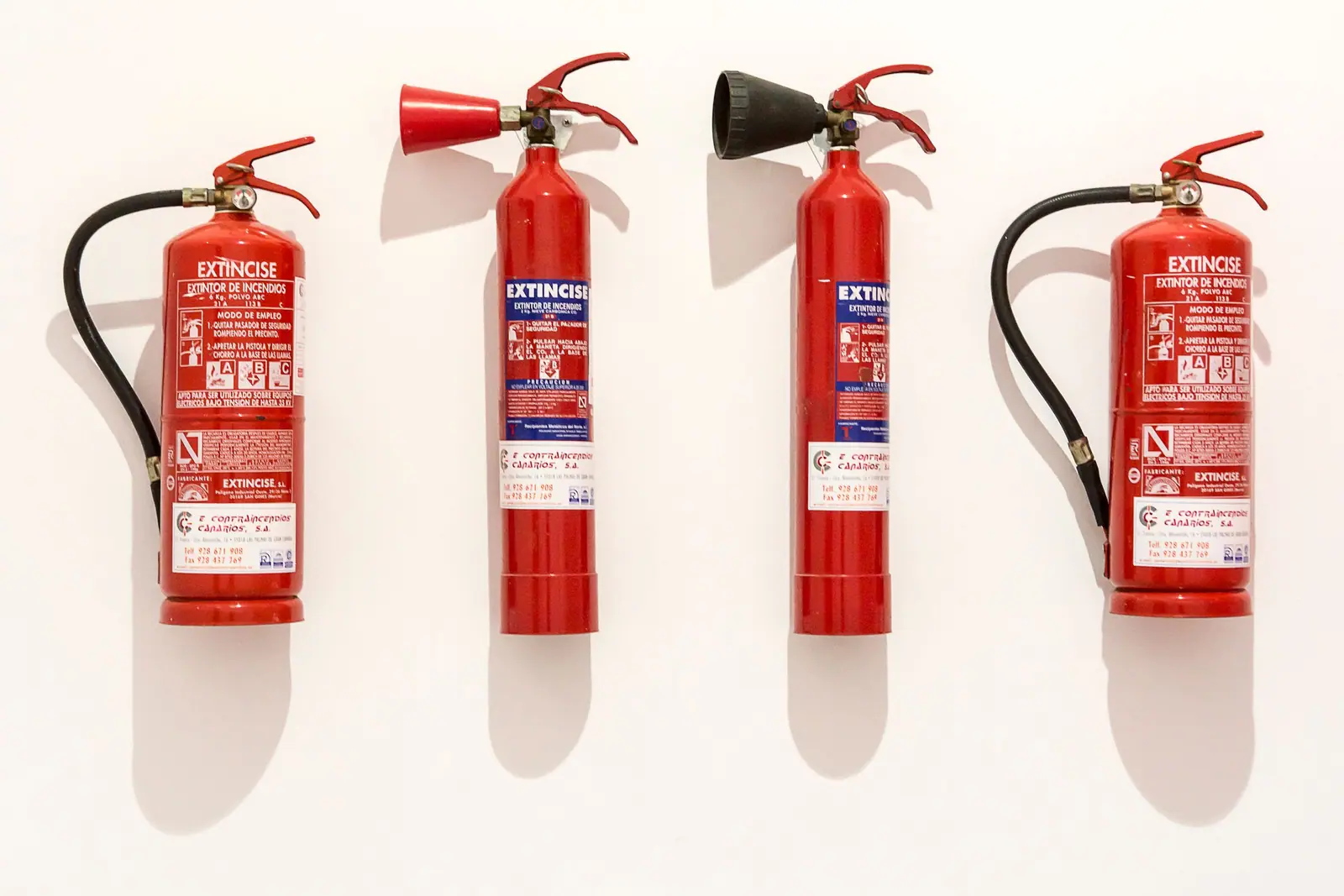
The essentials of first-aid fire extinguishers and the environmental angle on older agents.
A practical checklist of the questions building owners and managers should ask about fire safety.
आइए, आपके भवन को सुरक्षित बनाएँ।
Tell us about your building, its use and what you need. We will respond with sensible next steps.