Why smoke is the bigger danger
In many fires, smoke is more dangerous than the flames. It cuts visibility, carries heat and contains toxic gases. Inhalation can incapacitate people quickly and make escape difficult.
What smoke can contain
Smoke composition depends on what is burning. Several gases are commonly highlighted. This is an educational overview, not a complete toxicology reference.
- Carbon monoxide (CO): colourless, odourless, prevents blood from carrying oxygen.
- Hydrogen cyanide (HCN): produced when materials such as plastics, silk, nylon and wool burn; interferes with cells' use of oxygen.
- Carbon dioxide (CO2): not directly toxic at normal levels but displaces oxygen in large quantities.
- Nitrogen oxides (NOx): from some chemicals and synthetic fabrics; damaging to the lungs.
- Sulfur dioxide (SO2): from rubber and some plastics; sharp-smelling and irritating to eyes, nose and throat.
- Acrolein and formaldehyde: from burning wood, paper and cloth; harmful to the respiratory system.
How a smoke exhaust system works
A designed smoke management scheme generally follows this sequence:
- Smoke detectors or another activation method sense the smoke.
- Exhaust fans draw smoke and hot gases from the space.
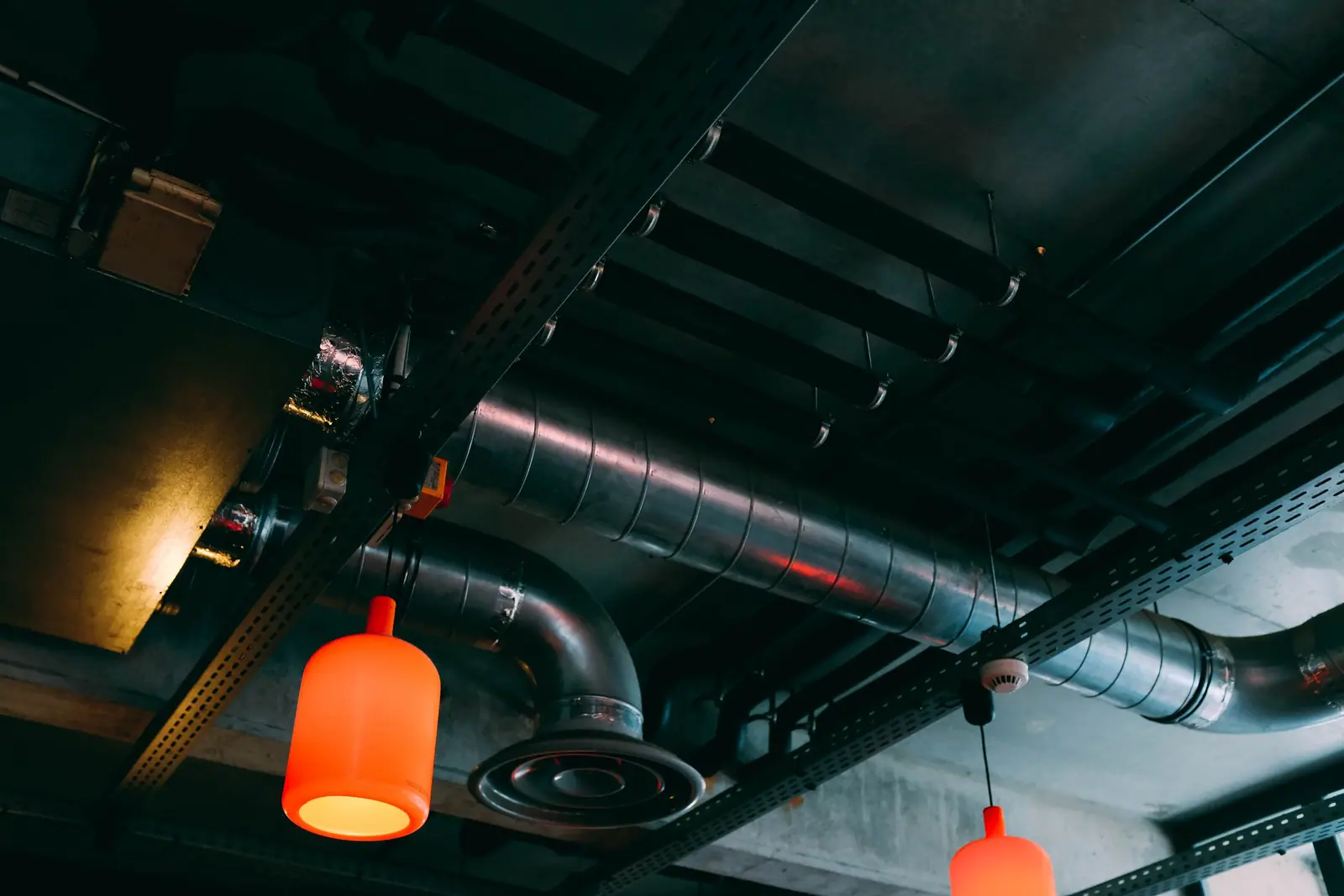
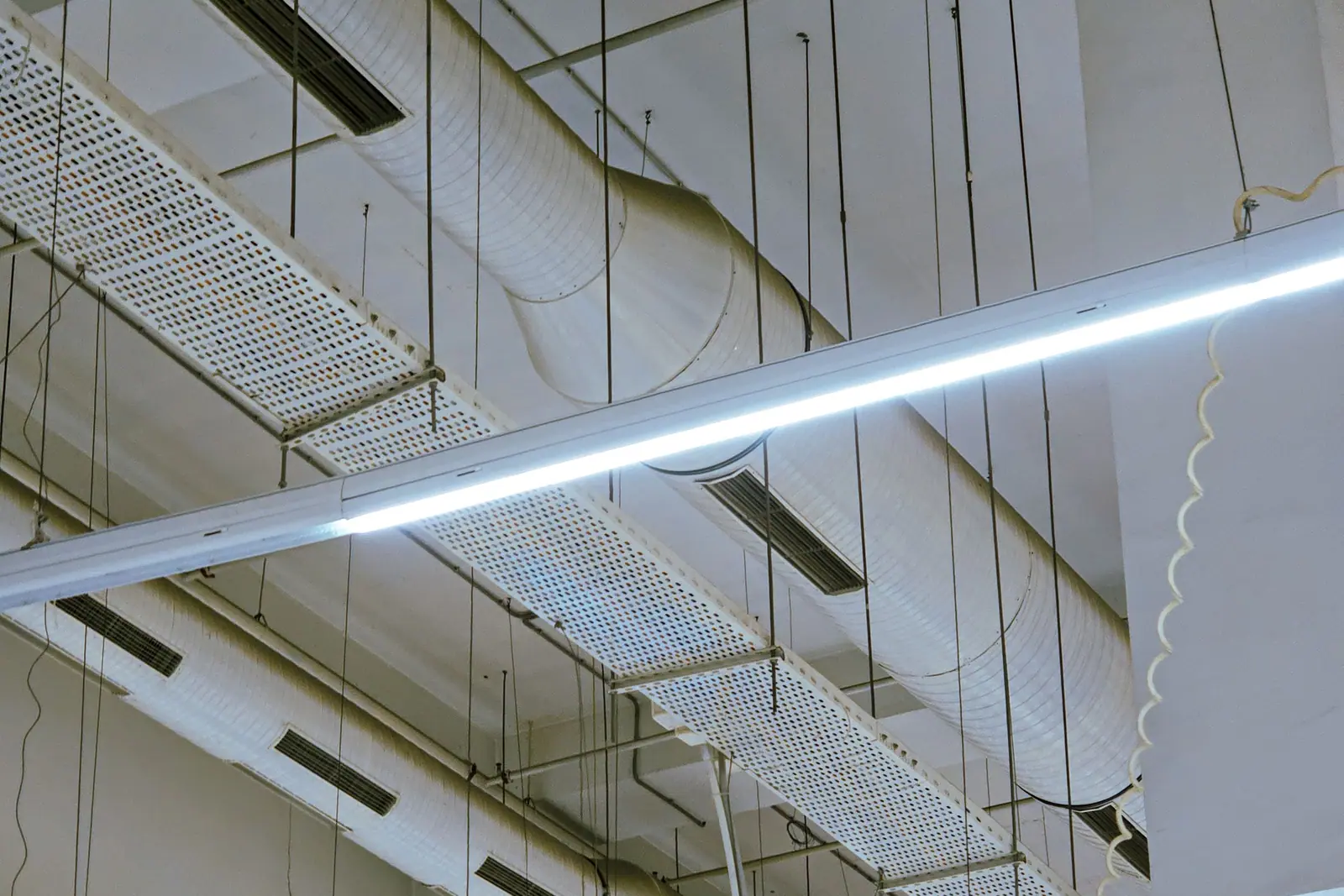
- Ducts carry the smoke to outlets outside the building.
- Where designed, fresh air is allowed in to replace extracted air.
Where it matters most
Large and enclosed buildings such as malls, multiplexes, hospitals, hotels, multi-storey buildings and multi-level underground parking are common places for smoke management. Specific requirements depend on the building and applicable rules.
Educational information only
This article is an original general summary. It is not legal, regulatory or engineering advice, and it does not reproduce standards. Requirements vary by building and change over time; confirm them with the competent authority and a qualified professional.