
Why audit?
An audit checks whether a building has adequate fire protection arrangements and whether they have been maintained. It is useful for factories, hospitals, hotels, schools and colleges, offices, markets, malls and multiplexes, and any time the use of a building changes.
The usual steps
A typical audit follows a clear sequence:
- Initial discussion to set scope and priorities.
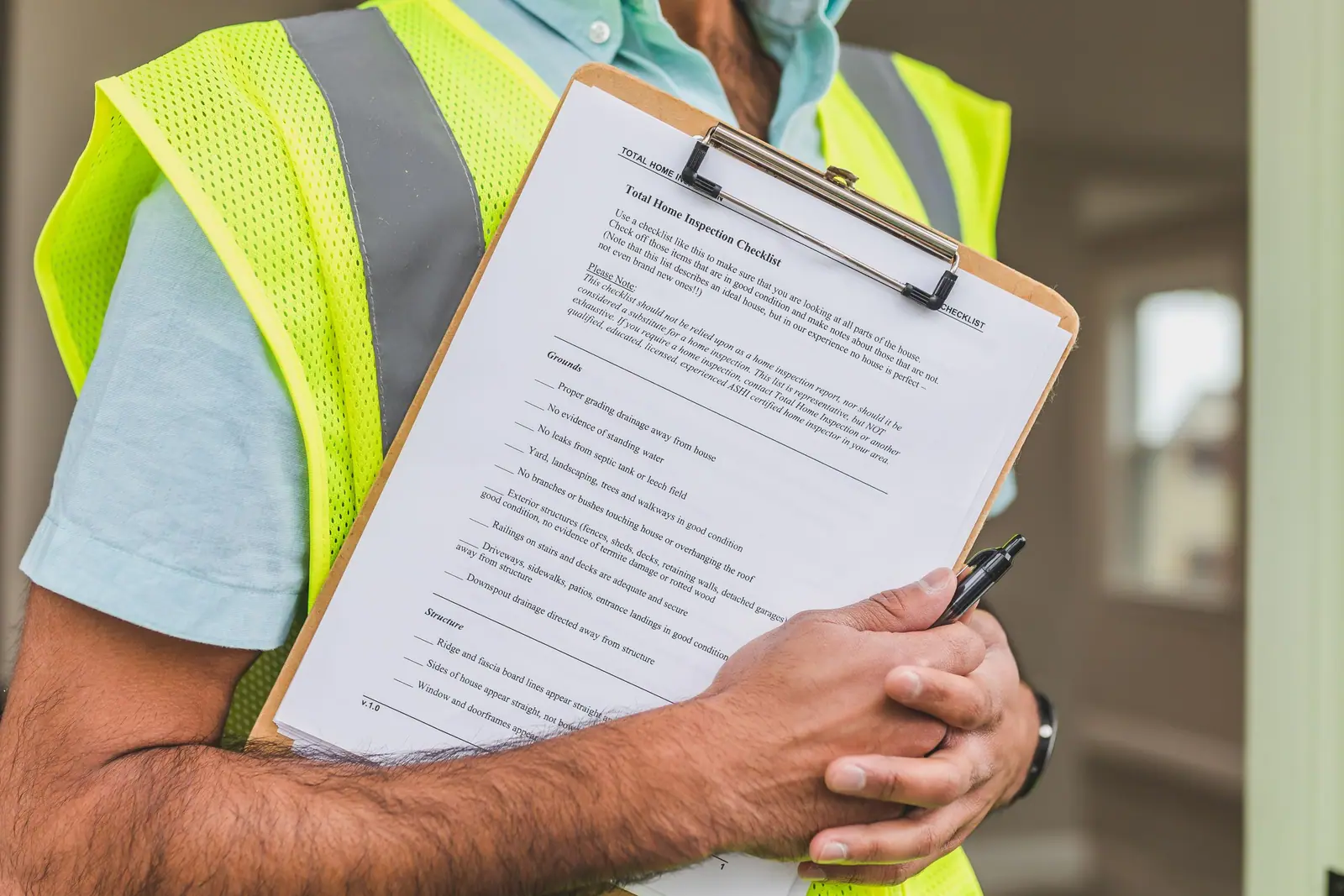
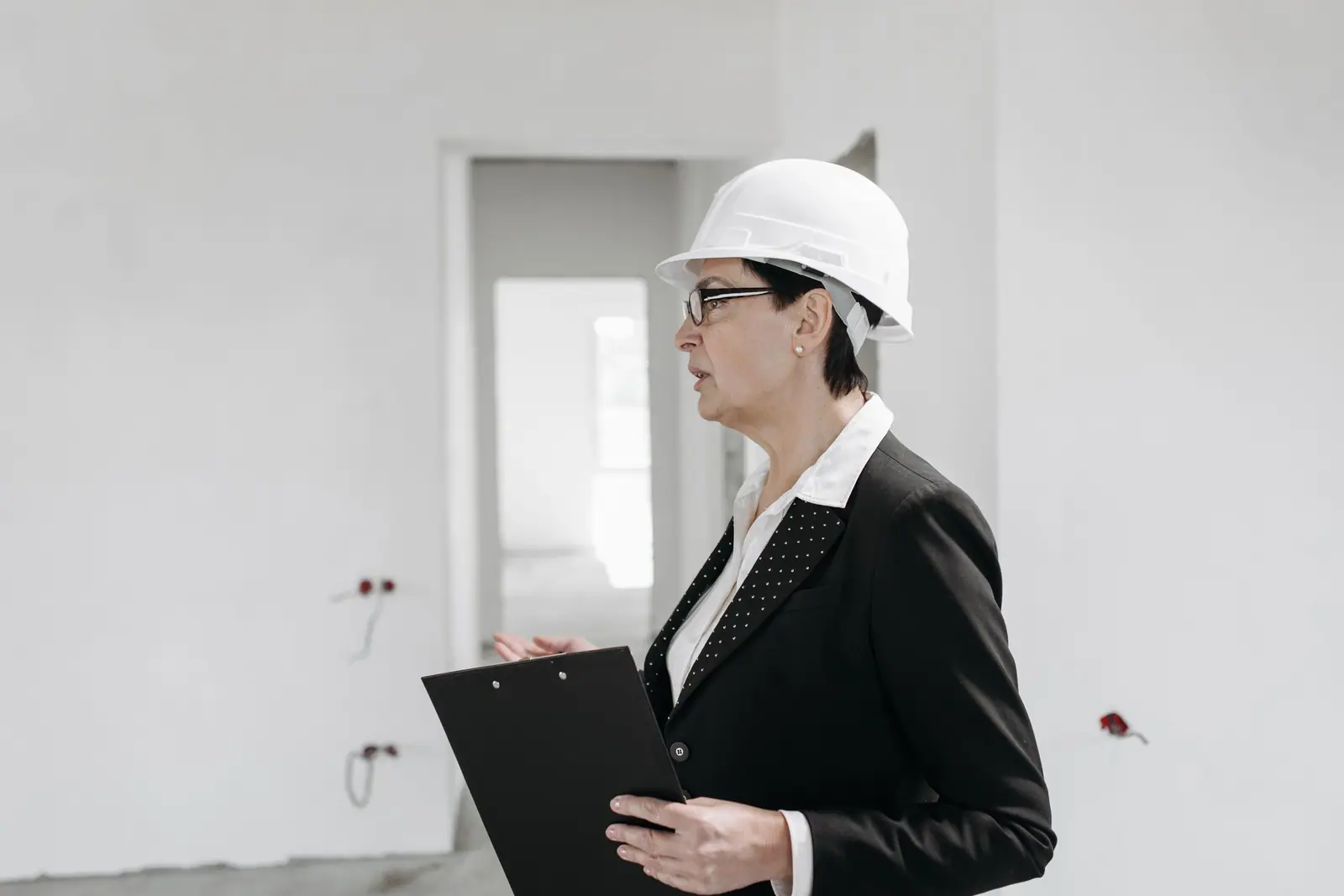
- Site inspection and review of relevant documents.
- Assessment of fire hazards and existing protection arrangements.
- Identification of gaps with recommendations.
- Follow-up support, where agreed.
What is examined
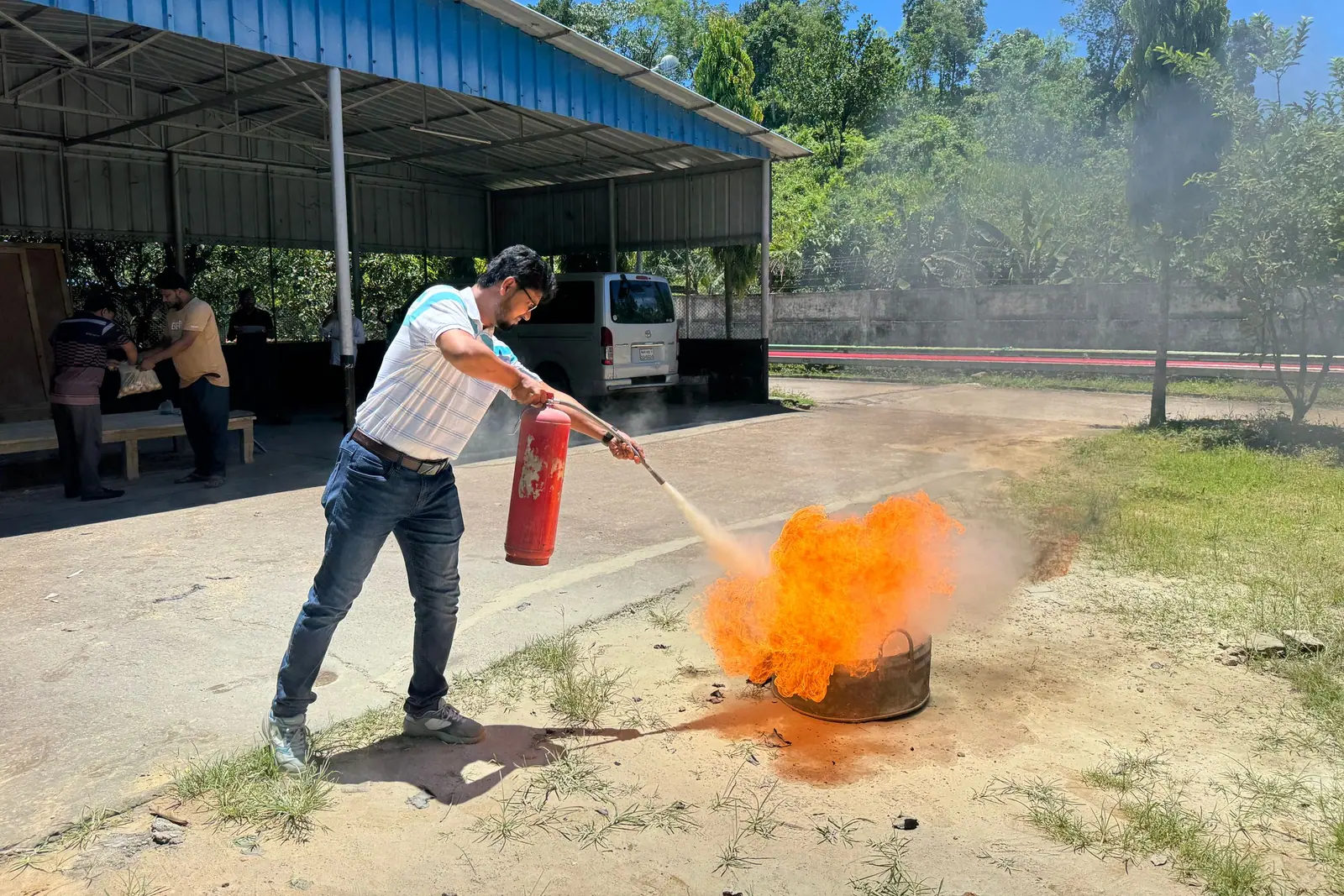
Auditors look at exits and routes, alarm and detection, extinguishers, hydrants and sprinklers, pumps and tanks, signage, housekeeping and storage, electrical practice and how prepared staff are. They also check whether the arrangements match the way the building is used today.
What an audit does not do
An audit is advice. It is not a certificate, and it does not establish compliance on its own. Approval and certification belong to the competent authority. Used well, an audit helps you fix issues before an inspection or an emergency finds them.
Educational information only
This article is an original general summary. It is not legal, regulatory or engineering advice, and it does not reproduce standards. Requirements vary by building and change over time; confirm them with the competent authority and a qualified professional.